
Pork Belly (Samgyeopsal) Korean BBQ Guide | Pig Company Meat Cuts Series #1
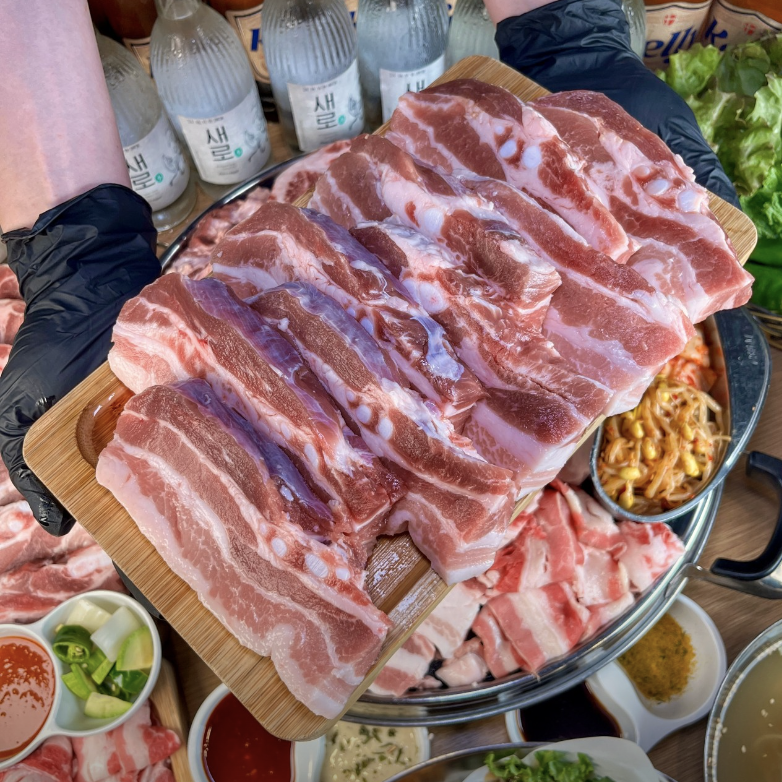
If you’ve eaten Korean BBQ even once, there’s a high chance you’ve already met the most famous cut on the grill: pork belly, also known as samgyeopsal (삼겹살).
It’s the cut that turned Korean BBQ into a global comfort food. It’s what many people crave late at night. It’s the “safe order” for first-timers — and still the favorite for people who’ve eaten Korean BBQ their whole lives.
At Pig Company, pork belly is more than just a menu item. It’s the cut that proves whether a restaurant understands grilling, heat, timing, and texture. Because the truth is: pork belly is only amazing when it’s handled properly. Cook it wrong, and it’s greasy. Cut it wrong, and it’s chewy. Serve it low quality, and the flavor gives up immediately.
This is the first post in our Pig Company Meat Cuts Series, where we break down each cut on our grill in a way that’s easy to understand — so you know exactly what to order, how it tastes, and how to eat it best.
➮ Read also : What Is the Best Pork Cut for Korean BBQ? Why Samgyeopsal Still Wins
What Is Pork Belly (Samgyeopsal)?
Pork belly is the cut taken from the underside of the pig. It’s naturally layered with meat and fat, and that’s exactly why it performs so well over high heat.
The Korean name samgyeopsal literally refers to the “three-layer” look, describing the alternating strips of lean and fat.
Unlike many other cuts, pork belly doesn’t need heavy seasoning to taste good. When it’s fresh and grilled correctly, it has its own flavor: savory, rich, slightly sweet from rendered fat, and crisp at the edges.
In Korean BBQ culture, samgyeopsal is also known as a group-order cut — it’s a “starter meat” that sets the mood for the whole table. It’s social, satisfying, and easy to share.
Why Pork Belly Is So Popular in Korean BBQ
Pork belly isn’t popular because it’s trendy. It’s popular because it’s one of the most grill-friendly cuts in the world.
Here’s why it stays on top.
1) It’s Naturally Juicy
Korean BBQ is fast cooking on high heat. Lean cuts can dry out quickly, especially when people are grilling at the table and the timing isn’t perfect.
Pork belly doesn’t have that problem. The fat renders slowly while the meat cooks, keeping the bite juicy even when it stays on the grill a little longer than planned.
2) It Crisps Without Turning Dry
The best pork belly has contrast:
crispy outside
tender inside
rich but clean finish
That crisp texture is why it’s addictive. You don’t just taste it — you feel it. That crunch is what makes people order one more round.
3) It Matches Korean BBQ “Ssam” Culture Perfectly
Korean BBQ isn’t only about meat. It’s about building a bite — what Koreans call a ssam (쌈).
Pork belly is the perfect ssam meat because it stands up to strong ingredients like:
raw garlic
ssamjang (savory soybean paste)
pickled onions
kimchi
sesame oil + salt
fresh lettuce or perilla leaves
Other cuts can get lost. Pork belly doesn’t.
What Pork Belly Tastes Like
A lot of people describe pork belly as “fatty,” but that’s too simple — and honestly not accurate when it’s grilled properly.
A well-cooked piece of pork belly should taste:
savory and rich, but not oily
clean, not porky or gamey
crispy at the edge, not burnt
soft in the center, not rubbery
If pork belly tastes heavy and greasy, it usually means one of these happened:
it was cooked too low and too slow, letting fat melt without crisping
the grill wasn’t hot enough
the meat wasn’t drained properly after grilling
it was low-quality pork with unpleasant fat texture
At Pig Company, we focus on the part most people miss: pork belly isn’t just “fat.” It’s texture engineering.
Thick-Cut vs Thin-Sliced Pork Belly: What’s the Difference?
When people search “pork belly Korean BBQ,” they usually imagine thick slices — but thin slices are common too (and we’ll cover thin-sliced pork belly later in this series).
Here’s the difference:
Thick-Cut Pork Belly (Classic Samgyeopsal)
Juicier bite
Better texture contrast
Longer cook time
More forgiving
This is what most people mean when they say “samgyeopsal.”
Thin-Sliced Pork Belly
Cooks extremely fast
Crisps quickly
Easier to overcook
Feels lighter per bite, but can dry out
If thick-cut pork belly is the “main event,” thin-sliced pork belly is more like rapid-fire grilling.
How to Grill Pork Belly the Right Way (Pig Company Style)
This is where pork belly becomes either unforgettable or disappointing.
Step 1: Let the Grill Heat Up Properly
If you put pork belly on a weak grill, it doesn’t sear — it steams.
You want immediate sizzling. That sound is the beginning of crispness.
Step 2: Don’t Move It Too Soon
Many people flip pork belly too early.
Let one side cook until you get:
golden browning
slight crisp edge
visible rendering
Then flip.
Step 3: Cook in Batches, Not All at Once
Overcrowding the grill makes everything slower and softer.
More meat isn’t better if it ruins the texture.
Cook a manageable amount so every piece gets proper heat.
Step 4: Crisp the Edges, Don’t Burn the Fat
The goal is crisp caramelization — not charred bitterness.
Burnt fat tastes aggressive and ruins the clean pork flavor.
Step 5: Rest It for a Few Seconds
This is a tiny detail that makes a big difference.
When pork belly comes off the grill, the fat is bubbling hot. Give it a few seconds, then eat. The texture becomes smoother and cleaner.
The Best Way to Eat Pork Belly (Ssam Guide)
If you want the real Korean BBQ experience, don’t just eat pork belly plain.
Try these combinations.
Classic Korean Ssam (Most Popular)
Lettuce (or perilla leaf)
Pork belly
Garlic
Ssamjang
It’s strong, savory, and balanced.
Clean & Simple
Pork belly
Salt + sesame oil dip
This one highlights meat quality the most.
The “Korean BBQ Mood” Bite
Pork belly
Grilled kimchi
Small amount of ssamjang
This tastes like the whole restaurant in one bite.
For People Who Want Less Heavy Flavor
Pork belly
Pickled onion / light acid topping
Acidity cuts through richness and makes pork belly feel lighter.
Pork Belly vs Pork Neck (Collar): Which One Should You Choose?
This is one of the most common questions.
Pork Belly
Best for:
crispy texture lovers
rich flavor
first-time Korean BBQ eaters
people who want the classic experience
Pork Neck (Collar)
Best for:
people who prefer less fat
a meatier chew
a more “steak-like” bite in pork form
If you’re eating with friends, the smartest order is usually:
pork belly first, then pork neck.
Start rich and iconic, then move into balanced and meaty.
Why Pork Belly Is a Must-Order at Pig Company
Every Korean BBQ place has pork belly. But not every place does it properly.
At Pig Company, pork belly is designed to be:
satisfying without feeling too heavy
crisp without tasting burnt
rich without being greasy
easy to pair with sauces and sides
It’s the cut that turns a random dinner into “that meal we’ll remember.”
Frequently Asked Questions About Pork Belly (Samgyeopsal)
Is pork belly the same as bacon?
No. Pork belly is the same part of the pig, but bacon is cured, smoked, and processed. Samgyeopsal is fresh pork belly cooked on the grill.
Is pork belly unhealthy?
It’s a rich cut, yes. But Korean BBQ is usually eaten with vegetables, wraps, and side dishes, which changes the overall balance. If you want something lighter, pork neck is a good alternative.
Why does my pork belly taste chewy?
Usually because:
it was cut too thick without enough cook time
the heat was too low
it was undercooked in the center
Proper searing and time fixes most issues.
Should pork belly be crispy?
Yes — at least partially. Pork belly is best when it has crisp edges, not soft fat throughout.
Final Thoughts: Pork Belly Is the Cut That Defines Korean BBQ
Pork belly isn’t just “popular.” It’s foundational.
It’s the cut that:
delivers the best texture contrast
tastes amazing with minimal seasoning
pairs perfectly with Korean BBQ wraps
satisfies first-timers and experts alike
That’s why samgyeopsal still wins.
And that’s why it’s the first cut in our Pig Company Meat Cuts Series.
find us here!
Gangnam Location
Address : 2nd Floor, Gangnam-daero 98-gil, Gangnam-gu, Seoul, South Korea
Hours : 11:30AM to 11:30PM daily
Contact : (+82)2-2-561-8891
Hongdae Location
Address : 28, Hongik-ro 5-an gil, Seogyo-dong, Mapo-gu, Seoul, South Korea
Hours : 11:30AM to 12:00AM daily
Contact : (+82)2-322-8891
Myeongdong Location
Address : 3rd Floor, Myeongdong 3-gil 44, Jung-gu, Seoul, South Korea
Hours : 11:30AM to 2:00AM daily
Contact : (+82)2-318-2990
