
The Origin of Korean BBQ: From Ancient Fire-Grilled Meat to Modern Seoul Pork BBQ
Make it stand out
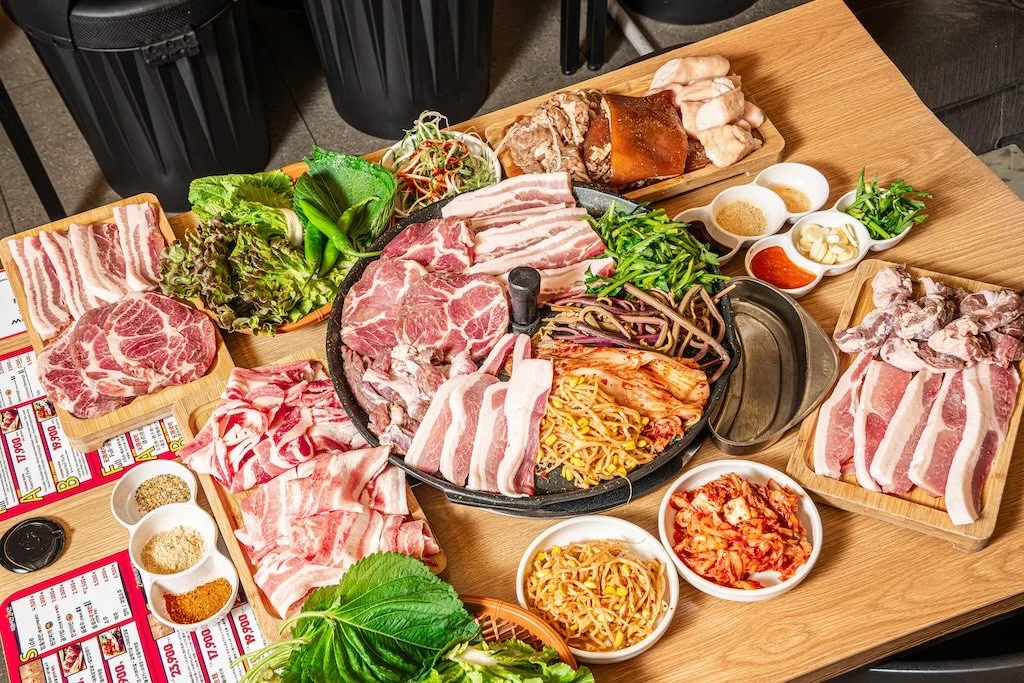
Korean BBQ is one of the most famous food experiences in Korea today. For many visitors, it is one of the first meals they want to try after arriving in Seoul. The image is easy to recognize: a hot grill at the center of the table, pork belly sizzling, smoke rising, side dishes filling the table, lettuce wraps being made by hand, and friends or family sharing food together.
But Korean BBQ did not appear overnight. It is not just a modern restaurant trend, and it is not only one dish. Korean BBQ, often called gogi-gui in Korean, refers broadly to grilled meat. It includes beef, pork, chicken, marinated meat, unmarinated meat, ribs, pork belly, intestines, and many regional or modern variations. What people now call “KBBQ” is the result of a long history of Korean grilled meat, changing food culture, economic growth, restaurant dining, and global interest in Korean food.
For travelers visiting Seoul today, restaurants like Pig Company make Korean BBQ easy to experience in a casual and affordable way. With branches in Myeongdong, Hongdae, and Gangnam, Pig Company focuses on all-you-can-eat Korean pork BBQ, fried chicken, side dishes, sauces, and filling course options. It reflects the modern side of Korean BBQ: generous, social, casual, and built for sharing.
To understand why Korean BBQ became such a major part of Korean food culture, it helps to look at where it came from and how it changed over time.
What Does Korean BBQ Actually Mean?
Before talking about the origin, it is important to understand what Korean BBQ means. In English, people often say “Korean BBQ” as if it is one dish. In Korea, the broader term is gogi-gui, which simply means grilled meat or roasted meat. It can include many different types of meat and styles.
Some of the most famous Korean BBQ dishes include bulgogi, galbi, and samgyeopsal.
Bulgogi is usually thinly sliced beef marinated in a sweet and savory sauce. Galbi refers to ribs, often beef short ribs, sometimes marinated and grilled. Samgyeopsal is pork belly, usually grilled without marinade and eaten with sauces, vegetables, and side dishes.
Modern Korean BBQ restaurants often use grills built into the dining table, or portable tabletop grills. This is one of the things that makes Korean BBQ different from many other grilled meat cultures. The meal happens at the table. Guests watch the meat cook, turn it, cut it, share it, and build each bite themselves.
That table-centered experience is a major reason Korean BBQ became so popular with both locals and tourists. It is not only about the food. It is about the act of eating together.
Ancient Roots: Maekjeok and Early Grilled Meat
Many discussions of Korean BBQ history begin with maekjeok, an old grilled meat dish associated with the Goguryeo period. Goguryeo was one of Korea’s ancient kingdoms, lasting from 37 BCE to 668 CE. Maekjeok is often described as a form of seasoned or marinated meat that was grilled, and it is commonly mentioned as an early ancestor of Korean grilled meat culture.
The important point is not that modern Korean BBQ looked exactly like maekjeok. It did not. There were no modern restaurant grills, no all-you-can-eat courses, and no tourist-friendly BBQ restaurants in ancient Korea. But maekjeok shows that seasoned grilled meat has deep roots in Korean food history.
In older Korean food culture, meat was valuable. It was not something ordinary people ate every day. Livestock had practical uses, and meat could be tied to ceremonies, special occasions, or status. This makes grilled meat historically meaningful. It was not just casual food. It carried value.
Over time, these older grilled-meat practices developed into more refined forms. Different regions, social classes, and historical periods shaped the way meat was prepared, seasoned, and served.
From Royal and Elite Food to Bulgogi
One of the most important dishes in the history of Korean BBQ is bulgogi. The word is often translated as “fire meat,” and it is now one of Korea’s most internationally recognized dishes.
Bulgogi is usually made with thin slices of beef marinated in ingredients such as soy sauce, sugar, sesame oil, garlic, onion, and pear. The flavor is sweet, savory, tender, and easy for many foreigners to enjoy. Because of this, bulgogi became one of the most common entry points into Korean food outside Korea.
Historically, bulgogi is often connected to older grilled meat dishes such as maekjeok and later forms such as neobiani, a thinly sliced grilled beef dish associated with the Joseon period and upper-class dining. Neobiani was more refined and was connected to elite food culture, while modern bulgogi became more widely available later.
This development matters because Korean BBQ is not only about grilling meat. It is also about seasoning. Korean grilled meat culture developed around marinades, sauces, garlic, sesame oil, fermented pastes, and side dishes. That is why Korean BBQ tastes different from American BBQ, Japanese yakiniku, or other grilled meat traditions.
At Pig Company, the focus is more on pork BBQ than bulgogi, but the same Korean BBQ logic remains: grilled meat becomes more interesting when paired with sauces, banchan, lettuce wraps, soup, noodles, and shared table culture.
Galbi and the Culture of Marinated Ribs
Another major part of Korean BBQ history is galbi, especially beef short ribs. Galbi can be marinated or unmarinated, but the marinated version is one of Korea’s best-known BBQ dishes. The marinade usually includes soy sauce, garlic, sugar, sesame oil, and other ingredients that create a sweet-savory flavor.
Galbi helped shape the image of Korean BBQ as a special meal. It is often associated with gatherings, family meals, celebrations, and restaurant dining. Because beef was historically expensive in Korea, beef BBQ had a sense of value and occasion.
Over time, Korean BBQ restaurants developed different identities. Some focused on premium beef. Some specialized in marinated ribs. Others became known for pork belly, intestines, chicken, or all-you-can-eat formats.
This variety is why Korean BBQ is difficult to define as only one thing. It is a category, not a single dish. The connection between all these styles is the grill, the shared table, the side dishes, and the social way of eating.
Pork BBQ and the Rise of Samgyeopsal
For many Koreans today, one of the most beloved forms of Korean BBQ is samgyeopsal, or pork belly. Unlike bulgogi or galbi, samgyeopsal is usually not marinated. It is grilled as fresh pork belly, then eaten with sesame oil and salt, ssamjang, garlic, kimchi, lettuce, perilla leaves, and other side dishes.
Samgyeopsal became especially popular in modern South Korea. It is strongly associated with casual dining, company dinners, friend gatherings, and after-work meals. It is less formal than premium beef BBQ and easier to enjoy frequently.
The rise of pork BBQ is connected to modern Korean dining culture. As meat became more available and restaurant culture expanded, pork belly became a practical and satisfying choice. It was rich, affordable compared with premium beef, easy to grill, and good with alcohol, soup, rice, and side dishes.
This is the part of Korean BBQ history most directly connected to Pig Company. Pig Company is built around Korean pork BBQ, with cuts such as pork belly, pork neck, pork jowl, thin-sliced pork belly, marinated pork, and other pork options depending on the course. This reflects the modern everyday side of Korean BBQ: casual, generous, and made for sharing.
Why Tabletop Grilling Became So Important
One of the most distinctive features of Korean BBQ is the tabletop grill. Instead of meat being fully cooked in the kitchen and brought out finished, the grill is part of the dining table. This changes the whole meal.
The table becomes active. People cook, watch, talk, turn meat, cut pieces with scissors, move cooked meat to the side, and build wraps. The food does not arrive all at once in a final form. It develops while the group is sitting together.
This is one reason Korean BBQ is so social. It encourages conversation and teamwork. Someone watches the grill. Someone cuts the meat. Someone passes the side dishes. Someone makes wraps. Even people who are new to Korean food can understand the process quickly because it is visual and hands-on.
For tourists, this is one of the most memorable parts of Korean BBQ. It feels different from simply ordering one plate of food. It becomes an experience.
Pig Company keeps this social style at the center. Guests grill pork at the table, share fried chicken, use sauces and banchan, and eat in a casual atmosphere. That is modern Korean BBQ: not stiff, not overly formal, but interactive and satisfying.
Banchan, Sauces, and Ssam: Why Korean BBQ Is More Than Meat
Korean BBQ would not be the same without banchan, sauces, and ssam.
Banchan are small side dishes served with Korean meals. In Korean BBQ restaurants, these may include kimchi, bean sprouts, pickled vegetables, seasoned greens, onion salad, lettuce, garlic, and more. The exact side dishes vary by restaurant, but the purpose is the same: they balance the meat.
Grilled pork belly is rich and fatty. Side dishes help cut through that richness. Kimchi adds acidity and spice. Lettuce adds freshness. Garlic adds sharpness. Ssamjang adds deep savory flavor. Sesame oil and salt give the meat a clean, simple taste.
Ssam means “wrap.” In Korean BBQ, diners often place a piece of grilled meat inside lettuce or perilla leaf, add sauce and side dishes, then eat it in one bite. This makes Korean BBQ personal. Everyone can build each bite differently.
This is also why Korean BBQ works well for first-time visitors. Even if someone is not used to Korean flavors, they can adjust the bite. They can keep it simple with meat and salt, or make it stronger with kimchi, garlic, and ssamjang.
At Pig Company, the sauce and side dish experience is important because it gives guests variety. The meat is the center, but the banchan and sauces are what make the meal feel complete.
Korean BBQ and Company Dinner Culture
Korean BBQ is deeply connected to group dining. In South Korea, grilled meat restaurants are common places for friends, families, coworkers, students, and travel groups to eat together. Company dinners, known as hoesik, often happen at BBQ restaurants because the food is shareable and the atmosphere is casual.
This social function helped Korean BBQ become part of everyday urban life. It is not only special occasion food anymore. It can be dinner after work, a meal before nightlife, a weekend family outing, or a casual tourist stop.
The format works because Korean BBQ is flexible. It can be affordable or premium. It can be beef or pork. It can be marinated or unmarinated. It can be quick or slow. It can be eaten with alcohol, rice, stew, noodles, or soft drinks.
Pig Company fits this modern group-dining culture because it is all-you-can-eat and casual. The restaurant is useful for people who want a full meal without ordering many separate dishes. Everyone can grill, share, and eat at their own pace.
How Korean BBQ Became Global
Korean BBQ became internationally popular alongside the broader rise of Korean culture. As K-pop, K-dramas, Korean beauty, Korean films, and Korean food gained global attention, more people became curious about Korean meals they had seen online or on screen.
Korean BBQ is especially good for globalization because it is visual. The grill, smoke, sizzling meat, banchan, and lettuce wraps are easy to understand even before tasting them. It photographs well, it works well in videos, and it feels like a group experience.
It also fits global dining trends. People like customizable food, shared plates, interactive meals, and bold flavors. Korean BBQ gives all of that. A diner can choose meat, sauce, side dish, wrap style, and level of spice.
This is why Korean BBQ is often one of the first Korean foods visitors want to try in Seoul. It feels traditional enough to be meaningful, but modern enough to be approachable.
Pig Company benefits from this global interest by making Korean BBQ easier for tourists. The focus on pork BBQ, fried chicken, clear courses, and casual dining makes it less intimidating for people who are new to Korean food.
Why Pig Company Focuses on Pork BBQ and Fried Chicken
Pig Company is not trying to represent every type of Korean BBQ. Its identity is clearer than that: Korean pork BBQ with fried chicken in a casual all-you-can-eat format.
This matters because pork BBQ is one of the most familiar and loved BBQ styles in Korea. Pork belly, pork neck, pork jowl, and marinated pork are satisfying, easy to grill, and good with Korean side dishes. For many people, pork BBQ feels more casual and everyday than premium beef BBQ.
Fried chicken adds another layer. Korean fried chicken is also a major part of modern Korean food culture. Many tourists want to try Korean BBQ and Korean fried chicken during their trip, but they may not have time for two separate meals. Pig Company brings both into one place.
This combination makes sense for travelers, students, groups, and people looking for affordable Korean BBQ in Seoul. You can grill pork, eat crispy chicken, try side dishes, add rice or noodles, and enjoy a filling meal without making the experience too complicated.
How to Enjoy Korean BBQ at Pig Company
If you are visiting Pig Company for the first time, start with the basics.
Begin with pork belly or pork neck. These cuts are easy to enjoy and show why pork BBQ is so popular in Korea. Let the meat cook until it has a golden-brown surface, then cut it into smaller pieces with scissors.
Try the first bite simply. Dip the meat in sesame oil and salt, or eat it with a small amount of sauce. After that, make a lettuce wrap with pork, ssamjang, garlic, kimchi, or other side dishes.
Then try other cuts. Pork jowl has a different texture. Thin-sliced pork belly cooks quickly. Marinated pork gives a sweeter flavor. If your course includes fried chicken, eat it between BBQ rounds so the meal does not feel repetitive.
If you want a fuller Korean meal, add soybean stew, rice, ramen, or cold noodles depending on the course. Korean BBQ is best when the table has variety, not only meat.
From History to Today: Why Korean BBQ Still Matters
The origin of Korean BBQ is not one simple story. It begins with older grilled meat traditions, develops through dishes like bulgogi and galbi, expands through modern pork BBQ culture, and becomes global through the rise of Korean food and Korean pop culture.
What stayed consistent is the importance of fire, meat, seasoning, side dishes, and eating together. Korean BBQ is not only a cooking method. It is a social meal.
That is why it continues to work today. Whether someone is Korean or a first-time visitor, the experience is easy to enjoy. Sit down, grill the meat, share side dishes, make wraps, and eat together.
Pig Company represents the modern, casual side of that tradition. With all-you-can-eat pork BBQ, fried chicken, banchan, sauces, and branches in major Seoul areas, it gives guests a simple way to explore Korean BBQ without needing to know the full history first.
But once you know the history, the meal becomes more interesting. The pork belly on the grill is not just dinner. It is part of a long Korean food culture that moved from ancient grilled meat, to royal and household dishes, to modern restaurants, and now to visitors from around the world.
For anyone visiting Seoul, Korean BBQ is one of the best ways to understand Korean food culture at the table. And for anyone looking for a casual, filling, and easy place to start, Pig Company is a practical introduction to that experience.
FAQ
What is the origin of Korean BBQ?
Korean BBQ developed from older Korean grilled meat traditions. Many food histories connect its roots to ancient grilled meat dishes such as maekjeok from the Goguryeo period. Over time, Korean grilled meat culture developed into dishes like bulgogi, galbi, and modern pork BBQ.
What does Korean BBQ mean?
Korean BBQ usually refers to gogi-gui, meaning grilled meat. It can include beef, pork, chicken, ribs, marinated meat, unmarinated meat, and other grilled dishes cooked at the table or over fire.
Is bulgogi the original Korean BBQ?
Bulgogi is one of the most important Korean BBQ dishes, but it is not the only form of Korean BBQ. It is connected to older Korean grilled meat traditions and became one of Korea’s most famous marinated beef dishes.
What is samgyeopsal?
Samgyeopsal is Korean pork belly. It is usually grilled without marinade and eaten with lettuce wraps, garlic, ssamjang, kimchi, sesame oil, salt, and other side dishes.
Why is Korean BBQ eaten at the table?
Tabletop grilling makes Korean BBQ social and interactive. Guests can cook the meat, cut it, share it, and build their own wraps. This is one of the reasons Korean BBQ is popular for groups.
Why are side dishes important in Korean BBQ?
Side dishes, or banchan, balance the richness of grilled meat. Kimchi, pickled vegetables, lettuce, garlic, sauces, and salads make each bite fresher and more flavorful.
What makes Korean BBQ different from other barbecue styles?
Korean BBQ is different because it often uses tabletop grilling, shared side dishes, lettuce wraps, fermented sauces, garlic, kimchi, and a social group dining style. It is less about one large smoked meat and more about building many different bites at the table.
Is Korean BBQ good for first-time visitors to Korea?
Yes. Korean BBQ is one of the best first meals for visitors because it is interactive, customizable, and easy to share. Guests can choose mild or stronger flavors depending on sauces and side dishes.
What kind of Korean BBQ does Pig Company serve?
Pig Company focuses on Korean pork BBQ in an all-you-can-eat format. Depending on the course, guests can enjoy pork belly, pork neck, pork jowl, thin-sliced pork belly, marinated pork, side dishes, sauces, soup, noodles, rice, drinks, and fried chicken.
Why does Pig Company serve fried chicken with BBQ?
Pig Company combines two popular Korean food experiences: pork BBQ and Korean fried chicken. This gives guests more variety and makes the meal easier to enjoy for groups, tourists, and first-time visitors.
Is Pig Company good for tourists?
Yes. Pig Company is good for tourists because it is casual, affordable, and easy to understand. It offers all-you-can-eat Korean pork BBQ and fried chicken, making it a simple introduction to Korean BBQ culture.
Where can I try Pig Company in Seoul?
Pig Company has branches in major Seoul areas including Myeongdong, Hongdae, and Gangnam. These locations make it easy to include Korean BBQ in a Seoul travel itinerary.
find us here!
Gangnam Location
Address : 2nd Floor, Gangnam-daero 98-gil, Gangnam-gu, Seoul, South Korea
Hours : 11:30AM to 11:30PM daily
Contact : (+82)2-2-561-8891
Hongdae Location
Address : 28, Hongik-ro 5-an gil, Seogyo-dong, Mapo-gu, Seoul, South Korea
Hours : 11:30AM to 12:00AM daily
Contact : (+82)2-322-8891
Myeongdong Location
Address : 3rd Floor, Myeongdong 3-gil 44, Jung-gu, Seoul, South Korea
Hours : 11:30AM to 2:00AM daily
Contact : (+82)2-318-2990
