
Korean BBQ Etiquette: How to Grill, Wrap, and Drink Like a Local
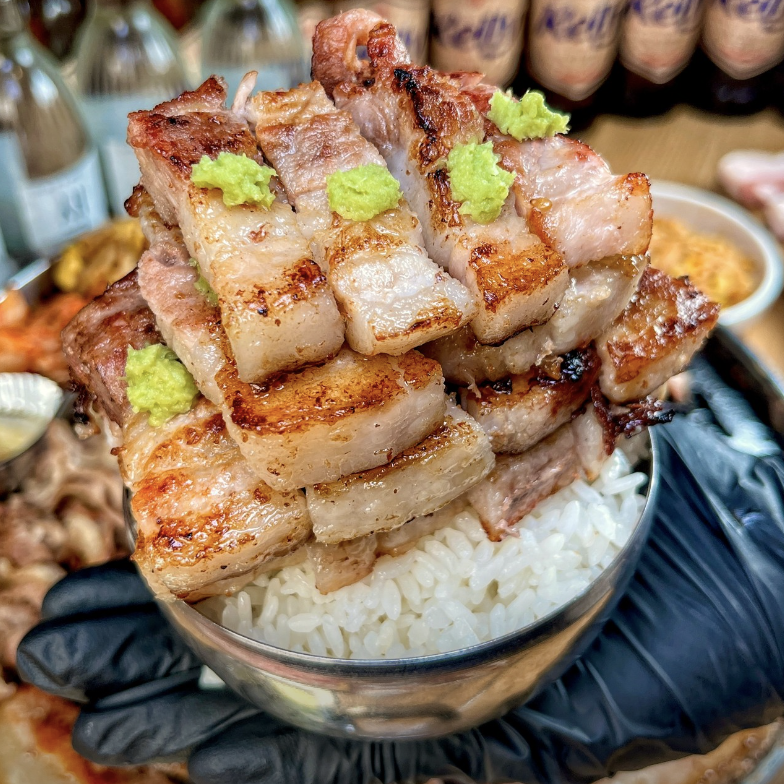
For many visitors coming to Seoul, trying Korean BBQ is at the top of the food list. People imagine sizzling pork belly, endless side dishes, smoky grills, and cold bottles of soju shared across the table. But for first-time visitors, Korean BBQ can also feel confusing.
Which meat should you order first?
Who grills the meat?
Why is everyone wrapping lettuce?
Why do people pour drinks for each other instead of themselves?
Korean BBQ is not just about eating grilled meat. It is a social dining culture built around sharing, conversation, and small traditions that make the meal feel special. Once you understand the basics, the experience becomes much more enjoyable.
Whether you are visiting Hongdae for nightlife, shopping in Myeongdong, or spending your evening in Gangnam, knowing how Korean BBQ works helps you enjoy it like a local.
At Myeongdong Korean BBQ Pig Company and its sister branches in Gangnam and Hongdae, many international guests visit for exactly this reason—authentic pork BBQ with a welcoming atmosphere for both locals and first-time travelers.
Step One: Start With the Right Meat
The first mistake many tourists make is ordering too much too quickly.
The best Korean BBQ experience usually starts simple.
Samgyeopsal (Pork Belly)
This is the classic first choice. Thick slices of pork belly are grilled until golden and crispy outside while staying juicy inside. It is rich, flavorful, and the easiest way to understand why Korean pork BBQ is so popular.
➣ READ ALSO : Pork Belly (Samgyeopsal) Korean BBQ Guide | Pig Company Meat Cuts Series #1
Moksal (Pork Neck)
This cut is slightly leaner and has a firmer texture. Many locals actually prefer moksal because it feels less heavy while still full of flavor.
Galmaegisal (Premium Pork Cut)
For people who want something softer and more premium, this cut is a strong choice. It is especially popular among regular Korean BBQ diners.
Many guests at Pig Company start with samgyeopsal, then add pork neck or premium cuts depending on the group size.
The goal is not quantity first—it is balance.
Step Two: Let the Grill Do the Work
One common tourist habit is flipping the meat too often.
Do not do that.
Good Korean BBQ needs patience.
At many restaurants, staff help grill the meat for you, especially when the restaurant focuses on quality cuts. If they are helping, let them handle it. They know exactly when to flip, cut, and serve.
If you are grilling yourself:
Do not keep turning the meat
Wait until one side cooks properly
Use kitchen scissors to cut meat into bite-sized pieces
Let pork develop a slight crisp edge before eating
At Pig Company branches, staff often assist international visitors so guests can focus on enjoying the meal instead of worrying about the grill.
That is how Korean BBQ should feel—comfortable, not stressful.
Step Three: Understand Banchan (Side Dishes)
Korean BBQ never arrives alone.
The table fills with small dishes called banchan—kimchi, pickled radish, seasoned vegetables, sauces, garlic, green onions, and more.
These are not decorations. They are part of the meal.
Each one helps balance the richness of grilled meat.
Kimchi adds acidity.
Garlic adds sharpness.
Green onion salad adds freshness.
Pickled vegetables help reset the palate.
Many tourists ignore side dishes and focus only on meat. That misses half the experience.
Real Korean BBQ is about combining flavors, not just eating grilled pork by itself.
Step Four: Learn the Lettuce Wrap (Ssam)
This is the most iconic part of Korean BBQ.
Take a lettuce leaf or perilla leaf.
Add:
grilled meat
ssamjang (thick savory dipping sauce)
garlic
kimchi
green onion salad
Then wrap it into one bite.
Not two bites. One bite.
This matters more than people think.
Trying to bite half and save half usually creates a mess. Korean BBQ wraps are meant to be enjoyed all at once.
This is called ssam, and once people try it properly, they understand why it is such an important part of Korean dining culture.
Step Five: Understand Soju Etiquette
Korean BBQ and soju go together naturally.
But drinking etiquette matters.
Do Not Pour for Yourself
In Korean dining culture, people usually pour drinks for each other. It reflects respect and social connection.
If someone pours for you, accept it politely.
Use Two Hands When Pouring for Elders
If someone older is at the table, using two hands when pouring or receiving drinks shows respect.
Small Glasses, Frequent Refills
Soju is usually shared in small glasses, not large personal drinks.
The experience is built around conversation, not drinking quickly.
Even if you do not drink much, understanding the custom helps you feel more comfortable in Korean social settings.
This is especially common in late-night dinners around Hongdae and Gangnam, where Korean BBQ often continues long after the meal itself.
Step Six: Don’t Rush the Meal
Many tourists treat Korean BBQ like fast dining.
That is the wrong mindset.
Korean BBQ is slow on purpose.
People sit longer.
They talk more.
They order gradually.
They often finish with fried rice, cold noodles, or stew.
Dinner is the event—not just the food.
Especially in areas like Hongdae, Gangnam, and Myeongdong, Korean BBQ is often the main part of the evening, not simply a stop before something else.
This is why locals return to the same BBQ places again and again.
The feeling matters as much as the taste.
Step Seven: Finish Strong
A proper Korean BBQ meal often ends with one last dish.
Naengmyeon (Cold Noodles)
Cold, chewy noodles in chilled broth help balance the richness of pork BBQ. This is one of the most loved endings to samgyeopsal.
➣ READ ALSO : Naengmyeon (Cold Noodles) at Pig Company: Which One to Order
Korean Fried Chicken
At Pig Company, many guests combine Korean fried chicken with pork BBQ, especially for group dinners. It creates a fuller Korean dining experience and works especially well with drinks.
This combination is especially popular with foreign visitors because it allows them to try two iconic Korean comfort foods in one place.
Why the Right Restaurant Matters
Not every Korean BBQ restaurant gives the same experience.
Some places focus only on tourists and rush customers through. Others serve lower-quality meat with flashy marketing.
A good Korean BBQ restaurant should feel relaxed, consistent, and welcoming—even if it is your first time.
That is why many travelers choose Pig Company.
Starting from the original Gangnam branch and expanding to Hongdae and Myeongdong, the focus has stayed the same: quality pork BBQ, proper side dishes, and a dining experience that feels local rather than staged for tourists.
The Myeongdong branch is especially convenient for travelers near hotels and shopping streets, while Hongdae and Gangnam offer a stronger local nightlife atmosphere.
No matter the branch, the goal stays simple—real Korean BBQ done properly.
Korean BBQ Is a Cultural Experience
People remember Korean BBQ because of the full experience.
The sound of the grill.
The smell of samgyeopsal.
The first lettuce wrap.
The cold glass of soju.
The shared table.
This is why Korean BBQ is often the meal travelers talk about most after leaving Korea.
It is not just dinner.
It is one of the easiest and best ways to understand local life in Seoul.
And once you learn how to grill, wrap, and drink like a local, the entire experience changes.
You stop feeling like a tourist.
You start feeling part of the table.
FAQ
What should I order first at Korean BBQ?
Start with samgyeopsal (pork belly). It is the most famous and beginner-friendly Korean BBQ choice. After that, try pork neck or premium pork cuts for more variety.
Do I need to grill the meat myself?
Sometimes yes, but many good Korean BBQ restaurants help grill for you. At places like Pig Company, staff often assist so guests can enjoy the meal without worrying about cooking.
Why do Koreans wrap meat in lettuce?
This is called ssam. Lettuce wraps balance the richness of grilled meat with fresh vegetables, garlic, kimchi, and sauce, creating the full Korean BBQ flavor.
Is it rude to pour my own soju?
Traditionally, yes. People usually pour drinks for each other instead of themselves. It is a small part of Korean dining etiquette and social culture.
Which area is best for Korean BBQ: Hongdae, Gangnam, or Myeongdong?
It depends on your trip.
Hongdae is best for nightlife and younger crowds.
Gangnam is popular for local business dinners and evening dining.
Myeongdong is most convenient for tourists staying near shopping streets and hotels.
Is Korean BBQ expensive in Seoul?
It depends on the restaurant and meat quality. Pork BBQ is usually more affordable than premium beef BBQ, which is one reason locals love samgyeopsal so much.
find us here!
Gangnam Location
Address : 2nd Floor, Gangnam-daero 98-gil, Gangnam-gu, Seoul, South Korea
Hours : 11:30AM to 11:30PM daily
Contact : (+82)2-2-561-8891
Hongdae Location
Address : 28, Hongik-ro 5-an gil, Seogyo-dong, Mapo-gu, Seoul, South Korea
Hours : 11:30AM to 12:00AM daily
Contact : (+82)2-322-8891
Myeongdong Location
Address : 3rd Floor, Myeongdong 3-gil 44, Jung-gu, Seoul, South Korea
Hours : 11:30AM to 2:00AM daily
Contact : (+82)2-318-2990
