
Korean BBQ Etiquette: Do’s and Don’ts
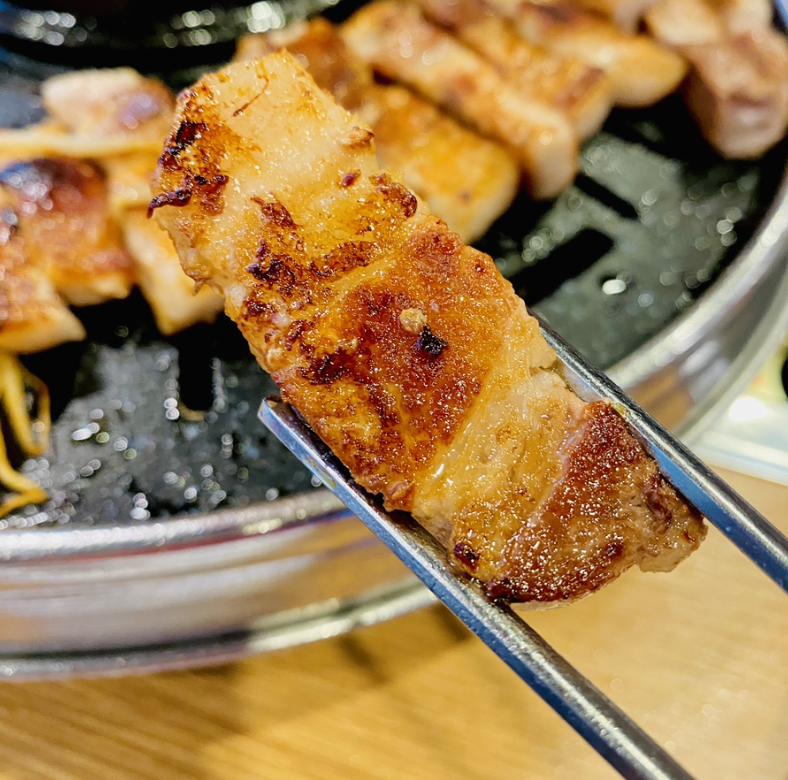
A Complete Guide for First-Time Diners in Seoul
Korean BBQ is not just about grilling meat. It is one of the most social dining experiences in Korea.
Whether you are eating in Myeongdong after shopping, in Hongdae with friends, or in Gangnam after work, Korean BBQ revolves around sharing, conversation, and small but meaningful etiquette rules.
If you are searching for “Korean BBQ etiquette,” “how to eat Korean BBQ properly,” or “Korean BBQ do’s and don’ts,” this guide will help you understand the cultural expectations behind the grill. Following proper etiquette not only makes your meal smoother — it also shows respect for Korean dining culture.
CLICK LINK BELOW TO READ :
➤ How to Grill Korean BBQ the Right Way: A Practical Guide from Pig Company
➤ Why Pig Company Serves Fried Chicken With Korean BBQ
What Makes Korean BBQ Different from Other BBQ Styles
Unlike Western-style barbecue, where food is prepared in the kitchen and served plated, Korean BBQ is usually cooked directly at the table. Raw meat is brought out, placed on a grill in the center of the table, and cooked in front of everyone.
Meals are communal. Side dishes (banchan), vegetables, sauces, and soups are shared. There are no separate courses. The meal flows continuously as meat is grilled, cut, and eaten.
Because everything happens at the table and food is shared, etiquette becomes part of the experience.
Do: Wait for Everyone Before Starting
Korean BBQ is meant to be eaten together. It is polite to wait until everyone at the table has been served before beginning.
If drinks such as soju or beer are ordered, people usually wait until all glasses are filled before taking the first sip. In many settings, someone will say “geonbae” (cheers) before everyone drinks together.
Even in casual settings, starting before others are ready can feel rushed. The meal is meant to be shared.
Do: Let the Designated Griller Take the Lead
In many Korean BBQ settings, one person naturally takes responsibility for grilling. This is often:
The oldest person at the table
The host
The most experienced griller
It is considered polite not to interfere too much once someone has taken over the grill. Constantly flipping the meat or rearranging it without coordination can disrupt the flow.
If you are unsure, it is perfectly fine to ask, “Should I grill?” This shows consideration rather than assumption.
Do: Use Tongs for Meat, Chopsticks for Eating
At Korean BBQ restaurants, tongs are provided specifically for handling raw and cooked meat.
You should:
Use tongs to place raw meat on the grill
Use tongs to flip meat
Use kitchen scissors (if provided) to cut larger pieces
Avoid using personal chopsticks to touch raw meat. Chopsticks are for eating, not for cooking.
This is both hygienic and culturally expected.
Do: Share the Grill Space
The grill is communal. That means everyone at the table should have access to the food being cooked.
Avoid:
Taking all freshly cooked meat for yourself
Piling meat onto your own plate without offering others
It is common courtesy to pass cooked pieces to others or place them in the center so everyone can take some.
Korean BBQ is built around sharing.
Do: Eat in One Bite When Making Wraps
One of the most iconic parts of Korean BBQ is making a wrap (ssam).
A typical wrap includes:
Lettuce or perilla leaf
Grilled meat
Garlic
Kimchi
Ssamjang (dipping paste)
When assembling a wrap, it is customary to fold it and eat it in one bite. Taking multiple bites from a wrap is generally discouraged because it can fall apart and make a mess.
If the wrap feels too large, simply make a smaller one.
Do: Respect Elders When Drinking
If you are dining with older Koreans, drinking etiquette becomes important.
Traditionally:
Younger people turn their head slightly away when drinking alcohol in front of elders.
Drinks are poured for others rather than yourself.
When someone pours for you, it is polite to hold your glass with two hands.
In very casual tourist settings, these rules may not be strictly observed, but understanding them shows awareness of Korean culture.
Don’t: Leave Meat Burning on the Grill
One of the biggest Korean BBQ mistakes is ignoring the grill.
Overcooking or burning meat not only wastes food, it disrupts the rhythm of the meal. Keep an eye on what is cooking. If you are the designated griller, manage portions so meat is eaten while fresh.
Burnt meat can also affect the taste of the next batch.
Don’t: Overload the Grill
It can be tempting to place all the meat on the grill at once, especially at an all-you-can-eat Korean BBQ restaurant.
However, overcrowding the grill prevents proper cooking. Meat needs space for heat to circulate evenly.
Grill in manageable batches. This ensures better texture and flavor.
Don’t: Waste Food at All-You-Can-Eat Restaurants
In Korea, food waste is taken seriously. At all-you-can-eat Korean BBQ restaurants, there may be policies regarding excessive leftover meat.
Order gradually rather than requesting large amounts at once. Finish what you have before ordering more.
All-you-can-eat does not mean all-at-once.
Don’t: Dip Half-Eaten Food Back into Shared Sauces
Shared sauces such as sesame oil with salt or ssamjang are common.
Avoid dipping partially eaten food back into shared dishes. This is considered unhygienic.
Instead, take a portion of sauce onto your own plate if needed.
Don’t: Treat Banchan as Decorative
Banchan (side dishes) are an essential part of Korean BBQ, not just garnish.
Kimchi, pickled vegetables, and garlic balance the richness of grilled pork belly. Ignoring them entirely misses the point of the meal.
Korean BBQ is about balance — fat, spice, freshness, and texture.
How Korean BBQ Etiquette Changes by Setting
Etiquette can vary slightly depending on context:
In Myeongdong : Tourist-heavy areas may feel more relaxed.
In Hongdae : Student crowds and younger diners may treat the experience more casually.
In Gangnam : Business dinners may observe more traditional drinking and age-based etiquette.
The key is reading the room. When unsure, observe others and follow their lead.
Why Etiquette Matters in Korean BBQ
Korean dining culture emphasizes harmony and respect.
Korean BBQ is built on:
Sharing
Group interaction
Consideration
Timing
Following basic etiquette makes the meal smoother and more enjoyable for everyone at the table.
It is less about rigid rules and more about awareness.
FAQ About Korean BBQ Etiquette
Is it rude to grill your own meat?
Not necessarily. In casual settings, it is fine. In more traditional groups, allow the host or eldest person to take the lead.
Do I have to eat pork belly in one bite when making a wrap?
Yes, wraps are generally eaten in one bite. Make smaller wraps if needed.
Can I pour my own drink?
In casual situations, yes. In traditional settings, it is polite to pour for others first.
Is Korean BBQ meant to be shared?
Yes. The grill and side dishes are communal.
Is it okay to ask staff for help grilling?
Absolutely. Many restaurants assist guests, especially tourists.
Final Thoughts
Korean BBQ etiquette is not about strict formality. It is about shared experience.
If you:
Wait for others
Share the grill
Avoid wasting food
Respect drinking customs
Use proper utensils
You will navigate Korean BBQ comfortably.
Whether you are dining in Myeongdong, Hongdae, or Gangnam, understanding these simple do’s and don’ts will make your Korean BBQ experience smoother, more respectful, and more enjoyable.
At the end of the day, Korean BBQ is about connection — good food, shared conversation, and a table full of people eating together.
find us here!
Gangnam Location
Address : 2nd Floor, Gangnam-daero 98-gil, Gangnam-gu, Seoul, South Korea
Hours : 11:30AM to 11:30PM daily
Contact : (+82)2-2-561-8891
Hongdae Location
Address : 28, Hongik-ro 5-an gil, Seogyo-dong, Mapo-gu, Seoul, South Korea
Hours : 11:30AM to 12:00AM daily
Contact : (+82)2-322-8891
Myeongdong Location
Address : 3rd Floor, Myeongdong 3-gil 44, Jung-gu, Seoul, South Korea
Hours : 11:30AM to 2:00AM daily
Contact : (+82)2-318-2990
