
Korean BBQ Culture Explained: Grill, Wrap, Share, and Drink
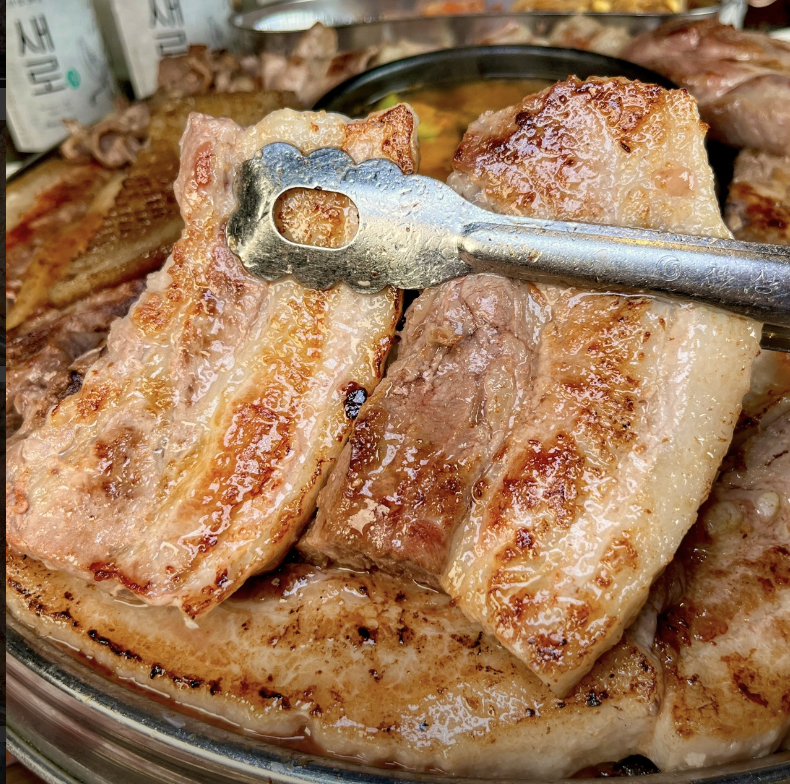
Korean BBQ is one of the most famous food experiences in Korea, but it is not just about grilled meat. For many tourists, Korean BBQ looks simple at first: meat on a grill, side dishes on the table, people eating together. But once you sit down, you quickly realize there is a whole culture behind it.
Korean BBQ is about grilling, wrapping, sharing, drinking, talking, and eating slowly with other people. It is interactive. It is social. It is casual but meaningful. That is why Korean BBQ is one of the best meals for tourists who want to experience real Korean food culture in Seoul.
Unlike a normal restaurant meal where each person orders one dish and eats alone, Korean BBQ is built around the table. The grill is in the center. The meat is shared. The side dishes are shared. The sauces are shared. Everyone eats together, and the meal becomes part of the experience.
This is also why Korean BBQ works so well for travelers. Whether you are visiting Seoul with friends, family, your partner, or a group, Korean BBQ gives everyone something to do and enjoy. You are not just waiting for food to arrive. You are grilling, choosing sauces, making wraps, trying side dishes, and building each bite differently.
At Pig Company, guests can enjoy this Korean BBQ culture through pork BBQ and Korean fried chicken at three Seoul branches: Myeongdong, Hongdae, and Gangnam. Each branch fits a different kind of Seoul itinerary, but the experience is the same: warm grill, shared food, casual atmosphere, and a proper Korean meal.
If you are new to Korean BBQ, this guide explains the culture behind it: how to grill, how to wrap, how to share, what to drink, and how to enjoy the meal like someone who understands what is happening at the table.
Why Korean BBQ Is More Than Just Grilled Meat
Many countries have barbecue, but Korean BBQ has its own identity. The biggest difference is the way the meal is served and eaten. Korean BBQ is not only about the meat itself. It is about how the meat connects with side dishes, sauces, vegetables, drinks, and people.
The grill is placed in the middle of the table, which immediately changes the feeling of the meal. Everyone faces the same food. Everyone watches the meat cook. Everyone shares from the same grill. This makes the meal more social than ordering individual plates.
Korean BBQ also has many small elements that make the meal more interesting. You do not just eat pork or beef by itself. You eat it with garlic, ssamjang, sesame oil, salt, kimchi, lettuce, perilla leaves, onions, and banchan. One piece of meat can taste completely different depending on how you eat it.
This is why Korean BBQ is so popular with tourists. It gives you variety without needing to order many separate dishes. Every bite can be different. One bite can be simple with salt. Another can be wrapped in lettuce with garlic and sauce. Another can be eaten with kimchi. Another can be paired with rice or a drink.
At Pig Company, pork BBQ is the main Korean BBQ experience. Pork is one of the most common and loved BBQ meats in Korea. It is rich, flavorful, and perfect for wraps. When paired with Korean fried chicken, the meal becomes even more flexible, especially for groups who want both grilled meat and crispy chicken.
Grill: The Center of the Korean BBQ Table
The grill is the heart of Korean BBQ culture. It is what makes the meal feel different from other restaurant meals.
When the meat arrives, it is usually placed on the grill in the center of the table. Depending on the restaurant and the type of meat, staff may help grill it, or guests may grill it themselves. Either way, watching the meat cook is part of the experience.
For pork BBQ, the goal is to grill the meat until it is cooked through, slightly crispy on the outside, and juicy inside. Pork belly, pork neck, and other pork cuts each have different textures. Pork belly is rich and fatty, while pork neck is usually meatier and slightly firmer. Both are popular in Korean BBQ culture.
One mistake first-time visitors make is moving the meat too much. Let the meat sit on the grill long enough to develop color. If you keep flipping it too early, it may not cook properly or get that good grilled texture. Another mistake is leaving the meat too long after it is cooked. Once the pork is ready, eat it while it is hot. Korean BBQ tastes best when the meat comes straight from the grill.
The grill also creates a natural rhythm for the meal. You cook, eat, talk, cook more, refill side dishes, try another wrap, and continue. The meal does not feel rushed. It has a flow.
This is one of the reasons Korean BBQ is good after shopping, sightseeing, or nightlife. It gives you time to sit down and reset. At Pig Company Myeongdong, it works well after shopping or visiting Namsan. At Pig Company Hongdae, it works well before a night out. At Pig Company Gangnam, it works well after COEX, Starfield Library, or Bongeunsa Temple.
Wrap: How to Make Ssam Like a Local
One of the most important parts of Korean BBQ culture is ssam. Ssam means “wrap,” and it usually means wrapping grilled meat with vegetables and other ingredients before eating it in one bite.
A basic Korean BBQ wrap usually starts with a lettuce leaf or perilla leaf. Then you add a piece of grilled pork, a little sauce, maybe garlic, kimchi, onion, or another side dish. Then you fold it and eat it together.
The key is balance. Do not make the wrap too large. A good ssam should fit comfortably in one bite. If you overfill it, it becomes messy and hard to eat. Korean BBQ is casual, but there is still a practical way to enjoy it.
A simple wrap could be:
Lettuce, grilled pork, ssamjang, garlic, and kimchi.
A richer wrap could be:
Perilla leaf, pork, onion, garlic, sauce, and a small amount of rice.
A cleaner bite could be:
Pork dipped lightly in sesame oil and salt, eaten without a wrap.
There is no single correct way to make ssam. That is part of the fun. Korean BBQ lets you adjust each bite based on your taste. If you like stronger flavors, add more ssamjang or kimchi. If you prefer something lighter, use lettuce and a small amount of sauce. If you enjoy garlic, grill it first and add it to your wrap.
Tourists sometimes eat the meat alone because they are unsure what to do with the vegetables and side dishes. That is understandable, but it means missing half the experience. Korean BBQ is designed to be eaten with side dishes and wraps. The vegetables cut through the richness of the pork, while sauces and banchan add flavor.
At Pig Company, pork BBQ is especially good for ssam because pork pairs naturally with garlic, lettuce, kimchi, and sauces. If it is your first time eating Korean BBQ, start with a simple wrap and then try different combinations as the meal continues.
Share: The Social Side of Korean BBQ
Korean BBQ is one of the best examples of Korean sharing culture. The table is not built around individual plates. It is built around shared food.
The grill is shared. The meat is shared. The side dishes are shared. The sauces are shared. Even the pace of the meal is shared because people eat as the meat cooks.
This is why Korean BBQ is such a good group meal. It works for friends, families, couples, coworkers, and tourists traveling together. The meal creates conversation naturally. Someone grills the meat. Someone makes wraps. Someone asks for more side dishes. Someone pours drinks. The table becomes active.
For tourists, this is one of the most enjoyable parts of Korean BBQ. It does not feel like a silent meal. It feels like something you experience together.
Pig Company is a good fit for this style because the restaurant’s menu centers around shareable foods: pork BBQ and Korean fried chicken. Fried chicken adds another layer to the sharing experience. While the pork cooks, people can share chicken. Or after eating BBQ, the table can continue with chicken and drinks.
This is also useful for groups with different tastes. Some people may be excited about Korean BBQ. Others may be more comfortable with fried chicken. At Pig Company, the group does not need to choose one or the other. You can order both and share everything.
That is the point of Korean food culture: the table feels better when people eat together.
Drink: Korean BBQ, Soju, Beer, and Chimaek Culture
Drinks are often part of the Korean BBQ experience, especially during dinner. Korean BBQ is commonly enjoyed with soju, beer, or a mix of both. However, drinking is not required. You can enjoy Korean BBQ perfectly well without alcohol.
Still, it is useful for tourists to understand why drinks are connected to Korean BBQ culture.
Grilled pork is rich and savory, so cold drinks pair well with it. Soju is one of the most common alcoholic drinks in Korea and is often served with BBQ. Beer is also popular, especially when fried chicken is on the table. Korean fried chicken and beer are often called chimaek, from “chicken” and “maekju,” the Korean word for beer.
This is where Pig Company’s concept works especially well. Because Pig Company serves both pork BBQ and Korean fried chicken, the meal can match both BBQ culture and chimaek culture. You can enjoy pork BBQ with soju, fried chicken with beer, or simply order non-alcoholic drinks if that is your preference.
If you are drinking in Korea, there are a few cultural details tourists often notice. People may pour drinks for each other instead of only pouring for themselves. When someone older or more senior pours a drink, people may receive it with two hands. In casual tourist dining, you do not need to overthink every rule, but being aware of the culture helps you feel more comfortable.
The main idea is respect and sharing. Drinks are part of the social flow of the meal, not just something separate from the food.
At Pig Company Hongdae, this is especially relevant because many guests eat before or during a night out. Pork BBQ and fried chicken create a strong meal before bars, clubs, karaoke, or walking around Hongdae. In Myeongdong and Gangnam, the drink culture may feel more like a relaxed dinner after sightseeing or shopping.
Either way, the same principle applies: Korean BBQ is a shared table experience, and drinks often support that atmosphere.
Banchan: The Side Dishes That Complete Korean BBQ
No Korean BBQ meal is complete without banchan, the small side dishes served with the meal. Tourists sometimes think banchan is just decoration, but that is wrong. Banchan is part of the flavor structure of Korean BBQ.
Side dishes help balance the richness of grilled meat. Kimchi adds acidity and spice. Pickled vegetables add freshness. Garlic adds sharpness. Lettuce and perilla leaves make the meal lighter. Sauces add saltiness, sweetness, or depth.
The best way to enjoy banchan is to use it actively. Do not leave it untouched. Try different combinations with the meat. Add kimchi to a wrap. Eat a bite of pork with pickled onion. Try garlic with sauce. Use lettuce when the meat feels too rich.
Banchan also supports the shared style of Korean dining. The table feels full, colorful, and generous. It creates variety without requiring everyone to order separate side dishes.
For tourists eating Korean BBQ for the first time, banchan can be one of the most memorable parts of the meal. It shows how Korean food is built on balance. Rich meat is balanced by fresh vegetables. Saltiness is balanced by acidity. Spice is balanced by rice or wraps.
At Pig Company, banchan helps complete the pork BBQ experience. The meat is the center, but the side dishes are what make every bite different.
Pork BBQ: Why It Is So Popular in Korea
Beef BBQ is famous, but pork BBQ is one of Korea’s most loved everyday BBQ styles. It is casual, flavorful, and widely enjoyed by locals. If you want to understand Korean BBQ culture, pork BBQ is essential.
Pork works well for Korean BBQ because it has enough fat to stay juicy on the grill. The richness pairs well with kimchi, garlic, lettuce, and ssamjang. Pork is also perfect for a relaxed meal with drinks, which is why it is common for dinners with friends, coworkers, and family.
For tourists, pork BBQ is often easier to enjoy than expected. The taste is rich but approachable. The grilling process is fun. The wraps make the meal interactive. It feels clearly Korean without being too difficult to understand.
Pig Company focuses on pork BBQ, which gives the restaurant a clear identity. It is not trying to be an overly formal luxury BBQ restaurant. It is a casual place where tourists can enjoy one of Korea’s most popular food cultures in a comfortable way.
This matters because some visitors think Korean BBQ must be expensive or beef-focused to be good. That is not true. Pork BBQ has its own place in Korean dining culture, and for many people, it is the most enjoyable BBQ style because it is relaxed, social, and satisfying.
Korean Fried Chicken: Another Side of Korean Food Culture
Korean fried chicken may not be BBQ, but it belongs in the same conversation because it is also a major part of Korean casual dining culture.
For tourists, Korean fried chicken is one of the easiest Korean foods to enjoy. It is crispy, shareable, and familiar while still feeling different from fried chicken in other countries. It is often eaten with beer, shared among friends, or enjoyed as a casual dinner.
At Pig Company, fried chicken gives guests another way to experience Korean food culture alongside pork BBQ. This is especially useful for groups. Not everyone may want only grilled meat. Some people may want something crispy and simple. Others may want to try as many famous Korean foods as possible in one meal.
The combination of pork BBQ and fried chicken makes Pig Company practical for tourists. You can experience Korean BBQ culture and Korean chicken culture at the same table. That is useful if you are only in Seoul for a short trip and want to make each meal count.
Korean BBQ Etiquette for First-Time Visitors
You do not need to know every rule to enjoy Korean BBQ, but a few simple habits will make the experience smoother.
First, do not panic if you are unsure how to grill. Watch the staff or ask for help. Many Korean BBQ restaurants are used to first-time visitors.
Second, do not overfill your wrap. Ssam is usually eaten in one bite. Keep it simple and balanced.
Third, use the side dishes. They are not just for decoration. They are meant to be eaten with the meat.
Fourth, share the food naturally. Korean BBQ is not usually treated like a separate personal dish. The table eats together.
Fifth, if you are drinking, be aware that pouring for others is common in Korean dining culture. In casual tourist settings, you do not need to be perfect, but showing awareness is respectful.
Finally, enjoy the meal slowly. Korean BBQ is not fast food. It is meant to be cooked, eaten, shared, and enjoyed over conversation.
Where to Experience Korean BBQ Culture in Seoul
Pig Company has three branches that fit different Seoul travel routes.
Pig Company Myeongdong is a good choice after shopping, street food, hotels, Myeongdong Cathedral, or Namsan Seoul Tower. Myeongdong is one of the most convenient areas for first-time tourists, and Pig Company gives visitors a proper sit-down Korean meal after a long day.
Pig Company Hongdae works well before or after nightlife, busking, cafes, pop-up stores, photo booths, bars, clubs, and karaoke. Hongdae is casual and energetic, which matches the mood of pork BBQ and fried chicken.
Pig Company Gangnam is a strong option after COEX, Starfield Library, Bongeunsa Temple, shopping, or beauty clinic visits. Gangnam can feel polished and busy, so Pig Company gives tourists a relaxed dinner option with Korean pork BBQ and chicken.
Across all three branches, the idea is the same: grill, wrap, share, and enjoy Korean food culture in a way that feels easy and satisfying.
Final Thoughts: Korean BBQ Is a Culture, Not Just a Meal
Korean BBQ is popular because it is delicious, but it lasts in people’s memory because it is social. The grill brings people together. The wraps make each bite personal. The side dishes create variety. The drinks add rhythm to the meal. The sharing makes the table feel alive.
That is why Korean BBQ is one of the best food experiences for tourists in Seoul.
If you are visiting Korea for the first time, do not treat Korean BBQ as just grilled meat. Try the banchan. Make ssam. Share the food. Watch the grill. Enjoy the pace of the meal. Pair it with drinks if you want, or simply enjoy it with your group.
At Pig Company, you can experience Korean BBQ culture through pork BBQ and Korean fried chicken in three major Seoul neighborhoods: Myeongdong, Hongdae, and Gangnam. Whether you are shopping, sightseeing, going out at night, or exploring the city with friends, Pig Company gives you a casual and satisfying way to enjoy Korean food culture.
Grill the meat. Wrap the bite. Share the table. Drink if you want. That is the heart of Korean BBQ culture.
FAQ: Korean BBQ Culture Explained
What is Korean BBQ culture?
Korean BBQ culture is about grilling meat at the table and sharing it with others. It includes grilled meat, side dishes, sauces, lettuce wraps, drinks, and conversation. The meal is social and interactive, not just about eating meat.
How do you eat Korean BBQ like a local?
Start by grilling the meat properly, then eat it with side dishes, sauces, and lettuce wraps. Try making ssam with lettuce, pork, garlic, ssamjang, and kimchi. Korean BBQ is best enjoyed slowly and shared with the table.
What is ssam in Korean BBQ?
Ssam means “wrap.” In Korean BBQ, ssam usually means wrapping grilled meat in lettuce or perilla leaves with sauce, garlic, kimchi, or other side dishes. It is usually eaten in one bite.
What are banchan?
Banchan are Korean side dishes served with the meal. In Korean BBQ, banchan helps balance the richness of the meat. Common examples include kimchi, pickled vegetables, garlic, sauces, and fresh vegetables.
Is pork BBQ popular in Korea?
Yes. Pork BBQ is one of the most popular BBQ styles in Korea. It is commonly enjoyed with lettuce wraps, garlic, ssamjang, kimchi, and drinks.
Is Korean BBQ only beef?
No. Korean BBQ can include beef, pork, chicken, and other meats, but pork BBQ is one of the most common and loved styles in Korea. Pig Company focuses on pork BBQ and Korean fried chicken.
What drinks go well with Korean BBQ?
Korean BBQ is often paired with soju or beer, but alcohol is not required. Pork BBQ goes well with cold drinks because the meat is rich and savory. Korean fried chicken is often paired with beer.
What is chimaek?
Chimaek means chicken and beer. It comes from “chicken” and “maekju,” the Korean word for beer. It is a popular casual food culture in Korea.
Is Korean BBQ good for groups?
Yes. Korean BBQ is one of the best group meals because the grill, meat, side dishes, and sauces are shared. It works well for friends, families, couples, and tourist groups.
Where can tourists try Korean BBQ culture in Seoul?
Tourists can try Korean BBQ culture at Pig Company in Myeongdong, Hongdae, and Gangnam. Each branch offers pork BBQ and Korean fried chicken, making it easy to enjoy Korean food culture in different Seoul neighborhoods.
find us here!
Gangnam Location
Address : 2nd Floor, Gangnam-daero 98-gil, Gangnam-gu, Seoul, South Korea
Hours : 11:30AM to 11:30PM daily
Contact : (+82)2-2-561-8891
Hongdae Location
Address : 28, Hongik-ro 5-an gil, Seogyo-dong, Mapo-gu, Seoul, South Korea
Hours : 11:30AM to 12:00AM daily
Contact : (+82)2-322-8891
Myeongdong Location
Address : 3rd Floor, Myeongdong 3-gil 44, Jung-gu, Seoul, South Korea
Hours : 11:30AM to 2:00AM daily
Contact : (+82)2-318-2990
