
Why Good Korean BBQ Is Harder to Find in Tourist Areas
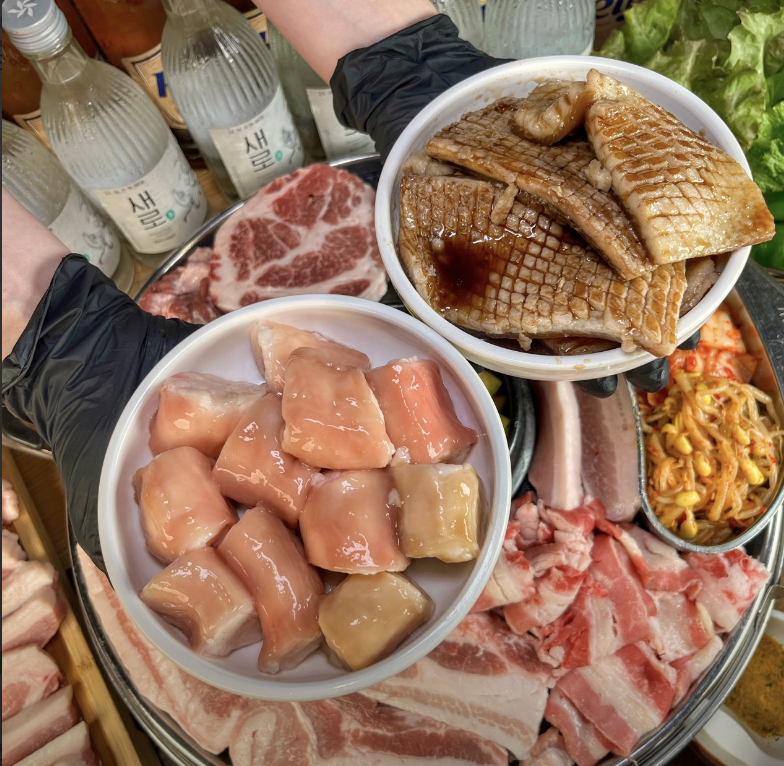
If you’ve spent even one day in Seoul, you’ve probably noticed something quickly: there are Korean BBQ restaurants everywhere. Especially in places like Myeongdong, it can feel like every street has multiple options competing for your attention.
But here’s the reality most travelers only figure out after a disappointing meal:
Not all Korean BBQ is equal—especially in tourist areas.
This isn’t about price. It’s about intent, quality, and how the restaurant is built to operate. If you don’t understand the difference, you can easily end up eating average BBQ in one of the best food cities in the world.
This guide breaks down why good Korean BBQ is harder to find in tourist-heavy areas—and how to avoid the common mistakes.
The Core Problem: Volume Over Quality
Tourist districts operate differently from local neighborhoods.
In areas like Myeongdong, restaurants expect:
High customer turnover
One-time visitors
Less repeat business
That changes everything.
Instead of focusing on long-term quality, many restaurants optimize for:
Fast table turnover
Simplified menus
Lower-cost ingredients
Quick service rather than experience
This doesn’t mean all restaurants in tourist areas are bad. But it does mean the average standard drops compared to places built for locals.
Good Korean BBQ takes time, attention, and consistency—three things that are harder to maintain when your main goal is speed.
Why Korean BBQ Needs Consistency (Not Just Good Meat)
A lot of people think Korean BBQ is just about meat quality.
It’s not.
A proper Korean BBQ experience depends on multiple elements working together:
1. Meat Quality and Cut
Pork BBQ—especially samgyeopsal—needs the right thickness, fat ratio, and freshness. Cheap cuts cook differently and lose texture quickly.
2. Grill Management
Timing matters. Overcooked pork becomes dry. Undercooked pork loses flavor. Good restaurants control this carefully.
3. Side Dishes (Banchan)
Kimchi, pickles, sauces, and salads are not extras—they balance the meal. Poor side dishes ruin the overall experience.
4. Dining Pace
Korean BBQ is not meant to be rushed. If you’re pushed to finish quickly, the experience feels incomplete.
Tourist-heavy restaurants often compromise on at least two of these.
The “Tourist Trap” Signs You Should Watch For
If you want to avoid average Korean BBQ, pay attention to these signals:
1. Overly Aggressive Street Marketing
Staff pulling you in, offering deals, or pushing menus outside usually indicates high competition and lower differentiation.
2. Huge Menus With Everything
If a restaurant serves BBQ, seafood, pasta, and desserts all in one place, it’s not focused. Good BBQ spots specialize.
3. Pre-Cooked or Thin Meat
High-quality Korean BBQ uses thicker cuts cooked fresh at your table. Thin meat often signals cost-cutting.
4. Rushed Dining Experience
If staff are clearing your table quickly or pushing you to order fast, it’s about turnover—not experience.
5. No Local Customers
This is one of the clearest signs. If only tourists are eating there, the restaurant likely isn’t built for repeat local business.
Why Locals Rarely Eat in Tourist BBQ Spots
Locals in Seoul have different expectations.
They want:
Consistent meat quality
Reliable side dishes
Comfortable dining pace
Good value over time
That’s why many locals avoid heavily tourist-focused streets when it comes to Korean BBQ.
Instead, they go to places that have built a reputation through repeat visits—not just visibility.
Areas like Hongdae and Gangnam tend to have more of these spots because they serve a mix of locals, students, and office workers.
The Gap: What Tourists Want vs What Restaurants Offer
There’s a mismatch happening.
Tourists want:
Authentic experience
Good meat
Easy ordering
Friendly environment
But many restaurants assume tourists only want:
Convenience
Fast service
Basic options
The result is a watered-down version of Korean BBQ.
The best restaurants are the ones that bridge this gap—keeping quality high while making the experience accessible.
How Some Brands Are Fixing This Problem
A small number of Korean BBQ brands are doing things differently.
Instead of treating tourist locations as quick-profit zones, they maintain the same standards across all branches.
One example is Myeongdong Korean BBQ Pig Company.
Originally built in Gangnam, the brand expanded into tourist areas like Myeongdong without lowering its core standards:
Focus on pork BBQ instead of trying to offer everything
Consistent meat cuts and preparation
Proper side dishes and dining flow
Staff familiar with both locals and international guests
This is why it works across different locations—including branches in Gangnam and Hongdae.
The positioning is clear: local-style Korean BBQ, but accessible to travelers.
Why Pork BBQ Is Often the Better Choice
Many tourists automatically look for beef BBQ.
But in Korea, pork BBQ is often the better starting point.
Here’s why:
More commonly eaten by locals
Better value for quality
Richer flavor when grilled properly
Pairs naturally with side dishes and soju
Samgyeopsal (pork belly) and moksal (pork neck) are staples for a reason—they’re reliable and consistent when done right.
Restaurants that focus on pork BBQ tend to be more specialized and controlled.
Timing Matters More Than You Think
When you go also affects your experience.
Peak Hours (7–9 PM)
More crowded
Faster service
Slightly less attention per table
Late Night (After 9 PM)
Slower pace
More relaxed atmosphere
Closer to how locals actually dine
If you want a better Korean BBQ experience, late evening is often the better choice—especially in areas like Hongdae and Gangnam.
What a Good Korean BBQ Experience Should Feel Like
You should notice:
Meat cooking at the right pace
Side dishes being refilled without asking
No pressure to rush
Balanced flavors with each bite
Staff guiding you when needed
Most importantly:
You should want to stay longer.
That’s the difference between a meal and an experience.
Final Reality Check
Tourist areas are not the problem.
The problem is how restaurants choose to operate within them.
You can still find good Korean BBQ in Myeongdong—but you need to know what to look for.
If you choose randomly, you’re gambling.
If you understand the signals, you can avoid average spots and find places that deliver the real experience.
That’s the difference between eating Korean BBQ in Seoul—and actually experiencing it.
FAQ
Why is Korean BBQ in tourist areas sometimes worse?
Many restaurants prioritize speed and volume over quality because they rely on one-time visitors instead of repeat local customers.
Is it possible to find good Korean BBQ in Myeongdong?
Yes, but you need to choose carefully. Look for restaurants that focus on quality, not just location or visibility.
What is the best type of Korean BBQ for first-time visitors?
Pork BBQ, especially samgyeopsal, is the most reliable starting point. It’s widely loved by locals and easier to enjoy.
Are Gangnam and Hongdae better for Korean BBQ?
They often have more locally focused restaurants, but good options exist in all areas if you know what to look for.
How do I know if a Korean BBQ restaurant is good?
Check for meat quality, side dish consistency, dining pace, and whether locals are eating there. These are better indicators than price or appearance.
find us here!
Gangnam Location
Address : 2nd Floor, Gangnam-daero 98-gil, Gangnam-gu, Seoul, South Korea
Hours : 11:30AM to 11:30PM daily
Contact : (+82)2-2-561-8891
Hongdae Location
Address : 28, Hongik-ro 5-an gil, Seogyo-dong, Mapo-gu, Seoul, South Korea
Hours : 11:30AM to 12:00AM daily
Contact : (+82)2-322-8891
Myeongdong Location
Address : 3rd Floor, Myeongdong 3-gil 44, Jung-gu, Seoul, South Korea
Hours : 11:30AM to 2:00AM daily
Contact : (+82)2-318-2990
