
Korean BBQ Sauce Guide: Ssamjang, Garlic, Salt, and More
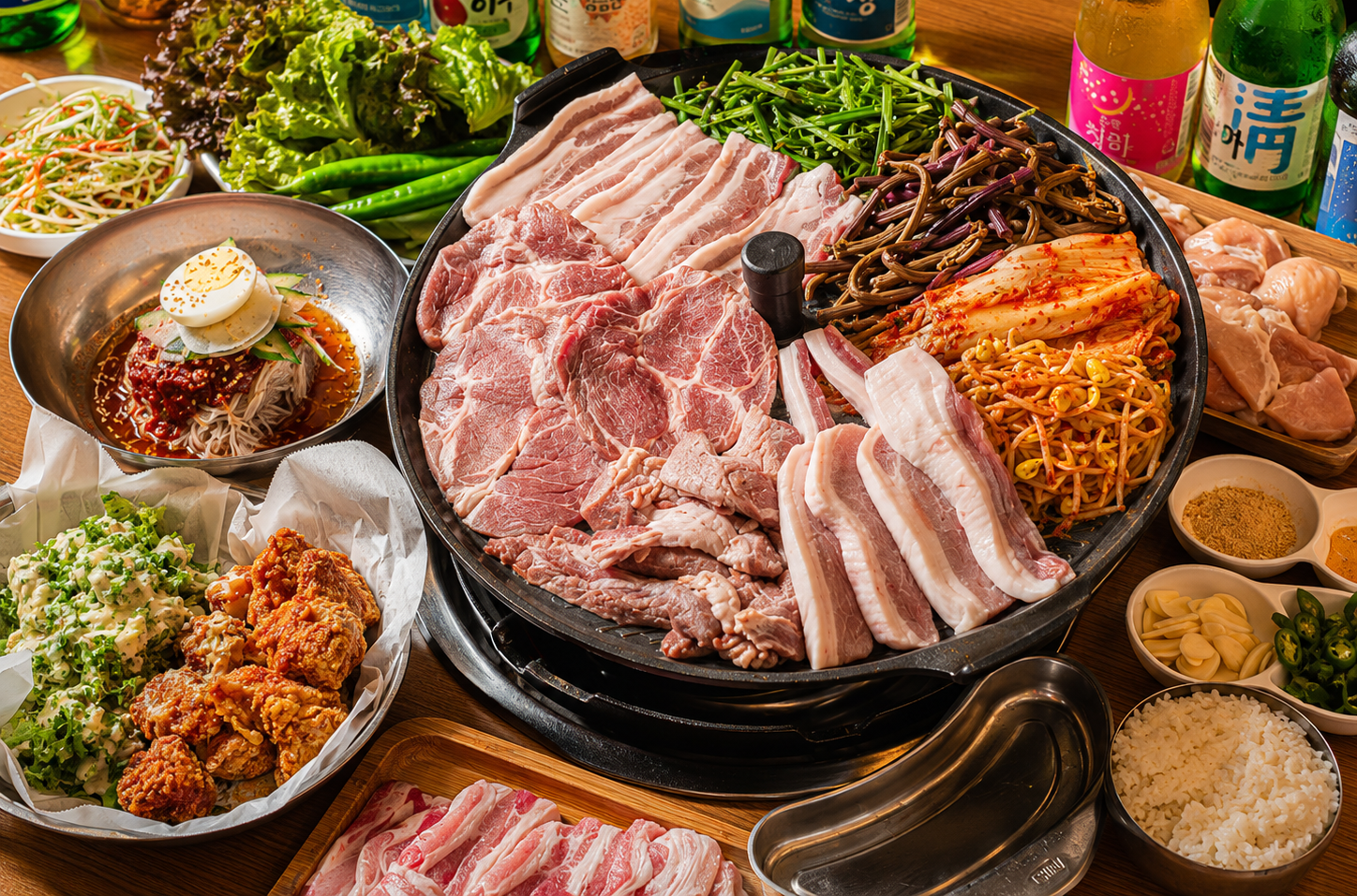
Korean BBQ is not only about putting meat on the grill. The sauces, salts, dips, garlic, kimchi, lettuce, and side dishes all change the way each bite tastes. A piece of grilled pork belly can taste rich and classic with ssamjang, cleaner with salt, stronger with garlic, or more modern with a smoky sauce. That is why sauces matter so much at Korean BBQ.
At Pig Company, we serve pork-focused Korean BBQ in Seoul, and our guests often ask how to use the sauces properly. Some visitors are trying Korean BBQ for the first time. Some are already familiar with samgyeopsal but want to know which sauce works best with which cut. Some simply want to make their meal taste better without overthinking it.
The honest answer is simple: there is no single correct sauce for Korean BBQ. The best way to eat pork BBQ is to try different pairings and find the combination you like most. Still, there is a smart way to use sauces so they support the meat instead of covering it.
This guide explains the main Korean BBQ sauces and dips you may see at Pig Company, including ssamjang, garlic dipping sauce, green tea salt, chipotle sauce, and other simple pairings. It also explains which sauces work best with pork belly, pork neck, marinated pork, fried chicken, lettuce wraps, and side dishes.
Why Sauces Matter at Korean BBQ
Sauces are not just extra flavor at Korean BBQ. They help create balance.
Pork BBQ can be rich, especially when you are eating pork belly or other cuts with more fat. A sauce can make the bite deeper, sharper, lighter, saltier, smokier, or fresher depending on what you choose. The same piece of pork can taste completely different when eaten with ssamjang compared to green tea salt or garlic dipping sauce.
This is one of the reasons Korean BBQ stays interesting throughout the meal. You are not supposed to eat every bite the same way. A good BBQ meal moves between different combinations: one piece plain, one with salt, one with ssamjang, one in lettuce, one with garlic, one with kimchi, and one with a different sauce.
At Pig Company, we recommend starting simple before adding stronger flavors. Try the meat first with little or no sauce. Once you understand the flavor of the pork, start adding sauces and side dishes. This helps you taste the difference between the pork cuts instead of covering everything from the beginning.
Ssamjang: The Classic Korean BBQ Sauce
Ssamjang is one of the most familiar sauces in Korean BBQ. It is thick, savory, salty, slightly sweet, and usually has a mild spicy depth. It is especially common in lettuce wraps, which are called ssam in Korean.
Ssamjang works well because it brings several flavors together. Pork gives richness, lettuce gives freshness, garlic gives sharpness, and ssamjang ties the bite together with deep savory flavor. If you are making your first Korean BBQ wrap, ssamjang is usually the best sauce to use.
The key is not to use too much. First-time visitors sometimes add a large spoonful of ssamjang to every wrap, but that can overpower the pork. A small amount is enough. The sauce should support the grilled meat, not hide it.
Ssamjang is especially good with pork belly because pork belly is rich and fatty. The sauce gives the bite more structure and makes the fat feel more balanced. It also works with pork neck, but pork neck has a cleaner meat flavor, so you may want to use a little less sauce.
A simple ssamjang bite at Pig Company would be grilled pork, lettuce, a small amount of ssamjang, garlic, and one side dish such as kimchi or pickled vegetables. That is enough to create a full Korean BBQ bite without making it too heavy.
Garlic Dipping Sauce: Stronger, Richer, and Easy to Like
Garlic is one of the most important flavors in Korean BBQ. It can be eaten raw, grilled, or used through a garlic-style dipping sauce. Garlic dipping sauce is useful because it gives the pork a stronger and more familiar flavor while still matching the grilled meat.
Garlic dipping sauce works well when you want something richer than salt but less traditional than ssamjang. It gives the bite a garlic-forward taste that pairs naturally with pork. If you like garlic, this is one of the easiest sauces to enjoy.
It works especially well with pork neck because pork neck has a meatier and cleaner flavor. The garlic adds depth without making the bite feel too oily. It can also work with pork belly, but because pork belly is already rich, use the sauce carefully. Too much garlic dipping sauce on a fatty piece of pork can feel heavy.
For first-time visitors, garlic dipping sauce is a good middle option. It is easy to understand, not too difficult to use, and pairs well with grilled meat, lettuce wraps, and even fried chicken if your course includes it.
The best way to use it is to dip lightly. Do not drown the meat. Korean BBQ tastes better when the pork, sauce, and side dishes stay balanced.
Green Tea Salt: A Cleaner Way to Taste the Meat
Green tea salt is a good option when you want to taste the grilled pork more clearly. Unlike thicker sauces, salt does not cover the flavor of the meat. It adds seasoning while keeping the bite clean.
This kind of dipping option is useful when you are comparing different pork cuts. If you want to understand the difference between pork belly and pork neck, try both with a light salt-style dip first. You will notice the difference more clearly than if you immediately cover both cuts in strong sauce.
Green tea salt works especially well with pork neck because pork neck has a meatier flavor and does not need heavy seasoning. It also works with pork belly when you want a cleaner bite before moving on to stronger sauces like ssamjang or garlic dipping sauce.
For beginners, this is a good first step. Grill the pork properly, dip it lightly in green tea salt, and taste the meat by itself. After that, try the same cut with ssamjang, garlic, or lettuce. This gives you a better understanding of how sauces change the meal.
At Pig Company, we recommend using lighter dips early in the meal, then moving to stronger combinations later. This keeps the flavors from becoming too intense too quickly.
Which Sauce Works Best With Pork Belly?
Pork belly is rich, juicy, and fatty, so it can handle stronger sauces and side dishes. This is why pork belly tastes so good with ssamjang, garlic, kimchi, and lettuce.
If you want the classic Korean BBQ flavor, use ssamjang with pork belly. Add garlic and lettuce if you want a full wrap. If the bite feels too rich, add kimchi or a pickled side dish to bring acidity and freshness.
If you want to taste the pork belly more clearly, use green tea salt or a simple light dip. This lets the grilled flavor and fat come through without too much distraction.
The best pork belly strategy is to change the sauce throughout the meal. Start with salt, move to ssamjang, try garlic dipping sauce, then add kimchi when you want something stronger. This keeps the meal interesting.
Which Sauce Works Best With Pork Neck?
Pork neck is meatier, firmer, and usually less oily than pork belly. Because of that, it does not need as much sauce.
Green tea salt or a light dip works very well with pork neck because it lets the meat flavor stay clear. If you are someone who prefers less fatty BBQ, pork neck with a simple seasoning may be your best bite.
Ssamjang also works, especially in lettuce wraps, but use a smaller amount. Pork neck does not need to be covered heavily. Garlic dipping sauce is another good option because it adds flavor without making the cut feel too fatty.
At Pig Company, we suggest trying pork neck with a cleaner sauce first. After that, you can build stronger combinations with lettuce, garlic, ssamjang, or side dishes.
Which Sauce Works With Thin-Sliced Pork Belly?
Thin-sliced pork belly cooks quickly and has a lighter texture than thicker pork belly cuts. Because it is thinner, it can take on sauce easily.
Ssamjang works well if you are making a quick lettuce wrap. Garlic dipping sauce can also be good because the thin meat picks up flavor quickly. Green tea salt is useful when you want to keep the bite light.
The main thing to remember is that thin-sliced pork belly can become too salty or too saucy if you use a lot of dip. Since the slices are thin, use less sauce than you would with a thicker pork cut.
Thin-sliced pork belly is also good with kimchi because the crisp, light texture of the meat works well with the stronger flavor of fermented cabbage.
Which Sauce Works With Marinated Pork Bulgogi?
Marinated pork bulgogi already has seasoning, so it does not need much extra sauce. This is where many people make a mistake. If the meat is already marinated, adding a heavy sauce can make the bite too sweet, salty, or overwhelming.
For marinated pork, try it first without extra sauce. Let the marinade do its job. If you want to add something, use lettuce, rice, or a small amount of garlic rather than a large amount of ssamjang.
Rice is especially good with marinated pork because it balances the seasoning. Lettuce also works because it adds freshness.
If you want to use sauce, keep it light. A small amount of garlic dipping sauce or a mild dip can work, but avoid stacking too many strong flavors at once.
How to Use Sauces in Lettuce Wraps
Lettuce wraps are one of the best ways to use Korean BBQ sauces, but the goal is balance.
A good wrap should have enough sauce to bring flavor, but not so much that the sauce becomes the main ingredient. Start with one piece of grilled pork, add a small amount of sauce, add garlic if you like, and add one side dish for balance.
For pork belly, a wrap with ssamjang, garlic, and kimchi works well because the pork is rich enough to handle those flavors. For pork neck, keep the wrap simpler with a small amount of ssamjang and maybe garlic or a lighter side dish.
Do not put every sauce into one wrap. That usually makes the bite messy and confusing. Korean BBQ is better when each wrap has a clear flavor direction.
One wrap can be classic with ssamjang. Another can be fresh with lettuce and garlic. Another can be smoky with chipotle. Another can be clean with green tea salt before wrapping.
This variety is what makes the meal enjoyable.
How to Pair Sauces With Fried Chicken
At Pig Company, some course options include soy-glazed boneless fried chicken. Since the chicken already has a soy-glazed flavor, it does not need much extra sauce.
If you want to add sauce, choose carefully. Garlic dipping sauce can work because garlic pairs naturally with fried chicken.
Ssamjang is usually better with grilled pork than fried chicken. You can try it if you like, but it may feel heavier than necessary.
The best way to enjoy fried chicken during Korean BBQ is to use it between rounds of pork. Eat grilled pork with ssamjang or salt, then try fried chicken with a different sauce, then return to the grill. This gives the table more variety.
Common Sauce Mistakes at Korean BBQ
The most common sauce mistake is using too much too soon. If your first bite is covered in sauce, you will not understand the taste of the meat. Start with a small amount and build from there.
Another mistake is using the same sauce for every cut. Pork belly, pork neck, thin-sliced pork belly, and marinated pork all taste different. They should not always be treated the same way.
A third mistake is making every lettuce wrap too complicated. If you add too many sauces, garlic, kimchi, and side dishes at once, the bite becomes crowded. A good Korean BBQ bite should be balanced, not overloaded.
It is also easy to forget that side dishes are part of the sauce strategy. Kimchi, garlic, lettuce, rice, and cold noodles all change the flavor of pork just as much as sauce does.
At Pig Company, we recommend tasting, adjusting, and experimenting. There is no need to use everything at once.
A Simple Sauce Order for First-Time Visitors
If you are new to Korean BBQ, use this order.
Start with grilled pork and a light dip such as green tea salt. This lets you taste the meat clearly. Next, try ssamjang with pork belly to understand the classic Korean BBQ flavor. After that, use garlic dipping sauce with pork neck or thin-sliced pork belly. Then try pork in a lettuce wrap with garlic and kimchi.
This order gives your meal a natural progression from clean to classic to bold. It also helps you avoid flavor fatigue, which happens when every bite tastes too strong from the beginning.
Final Thoughts: Korean BBQ Sauces Make the Meal Better
Korean BBQ sauces are not random condiments. They help shape the meal.
Ssamjang gives you the classic Korean BBQ flavor. Garlic dipping sauce adds a stronger garlic-forward taste. Green tea salt keeps the bite clean and lets you taste the meat. Chipotle sauce gives a smoky modern option. Garlic, kimchi, lettuce, rice, noodles, and side dishes all help create balance.
At Pig Company, we want guests to enjoy pork BBQ in a way that feels easy but not boring. The best meal is not about choosing one sauce and using it on everything. It is about trying different combinations and finding what works best with each cut.
If you are visiting Pig Company for Korean BBQ in Seoul, start simple, taste the pork first, then use sauces to build better bites. That is the best way to enjoy pork BBQ, side dishes, and the full Korean table-grill experience.
Frequently Asked Questions
What is the most common Korean BBQ sauce?
Ssamjang is one of the most common Korean BBQ sauces. It is often used in lettuce wraps with grilled pork, garlic, and side dishes.
What is green tea salt used for?
Green tea salt is useful when you want a cleaner bite. It seasons the pork without covering the grilled meat flavor too much.
What is garlic dipping sauce good with?
Garlic dipping sauce works well with pork neck, pork belly, thin-sliced pork belly, and fried chicken. It adds a stronger garlic flavor to the bite.
Should marinated pork bulgogi be eaten with sauce?
Marinated pork bulgogi already has seasoning, so it is best to try it without extra sauce first. If you add sauce, use only a small amount.
Can I use sauces in lettuce wraps?
Yes. Sauces are commonly used in lettuce wraps. Use one sauce at a time and keep the wrap balanced.
find us here!
Gangnam Location
Address : 2nd Floor, Gangnam-daero 98-gil, Gangnam-gu, Seoul, South Korea
Hours : 11:30AM to 11:30PM daily
Contact : (+82)2-2-561-8891
Hongdae Location
Address : 28, Hongik-ro 5-an gil, Seogyo-dong, Mapo-gu, Seoul, South Korea
Hours : 11:30AM to 12:00AM daily
Contact : (+82)2-322-8891
Myeongdong Location
Address : 3rd Floor, Myeongdong 3-gil 44, Jung-gu, Seoul, South Korea
Hours : 11:30AM to 2:00AM daily
Contact : (+82)2-318-2990
