
How to Eat Korean BBQ Like a Local in Seoul
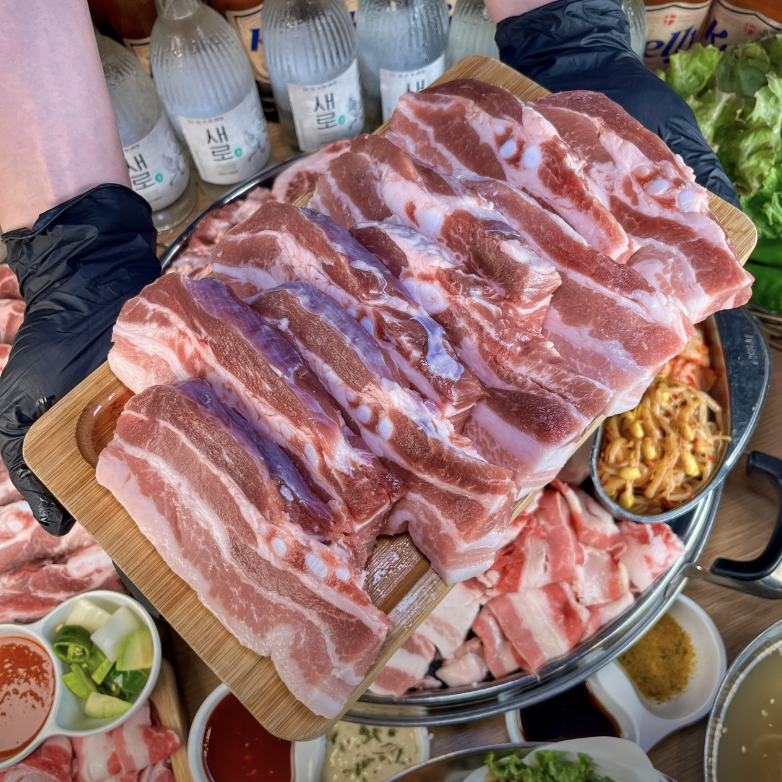
Korean BBQ is one of the most iconic dining experiences in South Korea. For many travelers visiting Seoul, grilling meat at the table is often at the top of their food bucket list. But Korean BBQ is more than just cooking meat on a grill. It is a social dining experience built around sharing food, conversation, and enjoying the meal together.
If you want to experience Korean BBQ the way locals do, there are a few traditions and customs worth knowing. From how to grill the meat properly to the way Koreans wrap meat with vegetables, understanding these small details can make the meal much more enjoyable.
In this guide, we explain how to eat Korean BBQ like a local in Seoul, including common etiquette, how to grill meat properly, and where visitors can enjoy Korean BBQ in some of the city’s most popular neighborhoods.
What Makes Korean BBQ Special
Korean BBQ is different from many other dining experiences around the world. Instead of ordering a finished dish from the kitchen, diners cook the meat themselves at the table.
Most Korean BBQ restaurants have a grill built into the table. The meat arrives raw, and guests grill it while talking and enjoying drinks with friends or family.
A typical Korean BBQ meal includes several components:
Fresh cuts of pork or beef
Lettuce or perilla leaves for wraps
Garlic and chili peppers
Various dipping sauces
A selection of side dishes called banchan
These elements come together to create a meal that is interactive and communal.
Step 1: Start With the Right Meat
One of the first things locals consider when eating Korean BBQ is choosing the right type of meat.
In Korea, pork is often the most common BBQ option, especially samgyeopsal (pork belly). However, many restaurants also serve beef cuts like galbi or bulgogi.
Popular Korean BBQ meats include:
Samgyeopsal – thick slices of pork belly
Moksal – pork neck
Galbi – marinated beef short ribs
Bulgogi – thin marinated beef slices
In many Korean BBQ restaurants, diners order multiple types of meat to share with the table.
Step 2: Let the Grill Heat Up First
Locals rarely rush the grilling process. The grill must be properly heated before placing the meat on it.
When the grill is hot enough, the meat will start to sear immediately, helping lock in flavor.
Many Korean BBQ restaurants also use charcoal grills, which give the meat a distinctive smoky aroma.
Patience during this stage makes a big difference in the final flavor.
Step 3: Grill the Meat Properly
One common mistake tourists make is flipping the meat too often. In Korean BBQ, the goal is to let the meat cook slowly so it develops a slightly crispy exterior.
For pork belly, locals often follow a simple process:
Place the meat on the grill
Let it cook for a while without moving it
Flip it once the bottom is nicely seared
Cut it into bite-sized pieces using scissors
Many Korean BBQ restaurants provide scissors specifically for cutting meat on the grill.
Once cooked, the meat is usually placed on a small side area of the grill to keep it warm.
Step 4: Build the Perfect Korean BBQ Wrap (Ssam)
One of the most distinctive parts of Korean BBQ is the ssam, which means “wrap” in Korean.
Instead of eating the meat by itself, locals wrap grilled meat in leafy vegetables with additional ingredients.
Here’s how a typical ssam is made:
Take a piece of lettuce or perilla leaf
Add a piece of grilled meat
Add garlic, sauce, or kimchi
Wrap everything together
Eat it in one bite
The combination of grilled meat, fresh vegetables, and flavorful sauces creates the balanced taste Korean BBQ is known for.
Step 5: Enjoy the Side Dishes (Banchan)
Another essential part of Korean BBQ is banchan, the small side dishes served alongside the meal.
These dishes are meant to complement the grilled meat and add variety to the table.
Common Korean BBQ side dishes include:
Kimchi
Bean sprouts
Pickled vegetables
Seasoned greens
Potato salad
In most Korean BBQ restaurants, these side dishes are refillable during the meal.
Locals often mix bites of meat with these side dishes to create different flavor combinations.
Step 6: Eat Korean BBQ Together
One of the most important parts of Korean BBQ culture is that it is meant to be shared.
Unlike many Western meals where everyone orders individual dishes, Korean BBQ is usually enjoyed with the entire table sharing meat and side dishes.
This is why Korean BBQ is popular for:
Family gatherings
Group dinners
Celebrations with friends
Work dinners with colleagues
The shared grilling experience naturally encourages conversation and makes the meal more social.
Where to Eat Korean BBQ in Seoul
Seoul has thousands of Korean BBQ restaurants, but some neighborhoods are especially popular for BBQ dining.
Visitors often enjoy Korean BBQ after exploring the city’s busy shopping streets, nightlife areas, or tourist attractions.
Some of the most popular areas for Korean BBQ include Hongdae, Myeongdong, and Gangnam.
Pig Company Korean BBQ Locations in Seoul
For travelers exploring Seoul, Pig Company Korean BBQ has locations in several of the city’s most popular neighborhoods. This makes it convenient for visitors staying in different parts of the city to enjoy Korean BBQ during their trip.
Pig Company Hongdae
Hongdae is known for its youthful energy, street performances, and nightlife. After exploring the neighborhood’s cafes, boutiques, and music scene, many visitors look for restaurants nearby.
Pig Company Hongdae offers an easy place to enjoy Korean BBQ in the heart of one of Seoul’s most lively districts.
Pig Company Myeongdong
Myeongdong is one of Seoul’s busiest tourist areas and is famous for shopping and street food.
After a day of exploring cosmetics shops, department stores, and food stalls, many visitors stop for Korean BBQ before heading back to their hotel.
Pig Company Myeongdong provides a convenient option for travelers staying near the city center.
Pig Company Gangnam
Gangnam offers a more modern and upscale side of Seoul. Visitors often explore attractions like COEX Mall and the famous Starfield Library before heading out for dinner.
Pig Company Gangnam allows travelers to experience Korean BBQ while exploring this stylish district south of the Han River.
Common Mistakes Tourists Make at Korean BBQ
If it’s your first time eating Korean BBQ in Seoul, there are a few common mistakes to avoid.
Flipping the meat too often
Constantly flipping the meat prevents it from developing a proper sear.
Overcrowding the grill
Placing too much meat on the grill at once lowers the temperature and affects cooking quality.
Not using the wraps
The ssam wrap is an important part of Korean BBQ culture and adds balance to the meal.
Eating too fast
Korean BBQ is meant to be a relaxed, social dining experience rather than a rushed meal.
Why Korean BBQ Is a Must-Try Experience in Seoul
Food is a central part of Korean culture, and Korean BBQ is one of the best ways to experience it.
The combination of grilling meat, sharing dishes, and enjoying the meal with others makes Korean BBQ a memorable experience for travelers.
Whether you are exploring Hongdae’s nightlife, shopping in Myeongdong, or visiting modern attractions in Gangnam, Korean BBQ is a meal that fits perfectly into any Seoul itinerary.
FAQ: Eating Korean BBQ in Seoul
What is Korean BBQ?
Korean BBQ is a style of dining where diners grill meat themselves at the table and eat it with vegetables, sauces, and side dishes.
What is ssam in Korean BBQ?
Ssam refers to the lettuce or perilla leaf wrap used to eat grilled meat along with garlic, sauces, and other ingredients.
Is Korean BBQ expensive in Seoul?
Prices vary depending on the restaurant and type of meat, but there are many Korean BBQ options ranging from casual restaurants to premium dining experiences.
Do you cook Korean BBQ yourself?
Yes. In most Korean BBQ restaurants, diners grill the meat themselves at the table.
What meat is used in Korean BBQ?
Common meats include pork belly (samgyeopsal), pork neck, beef short ribs (galbi), and marinated beef (bulgogi).
Where can I eat Korean BBQ in Seoul?
Korean BBQ restaurants can be found throughout Seoul, especially in popular areas such as Hongdae, Myeongdong, and Gangnam.
find us here!
Gangnam Location
Address : 2nd Floor, Gangnam-daero 98-gil, Gangnam-gu, Seoul, South Korea
Hours : 11:30AM to 11:30PM daily
Contact : (+82)2-2-561-8891
Hongdae Location
Address : 28, Hongik-ro 5-an gil, Seogyo-dong, Mapo-gu, Seoul, South Korea
Hours : 11:30AM to 12:00AM daily
Contact : (+82)2-322-8891
Myeongdong Location
Address : 3rd Floor, Myeongdong 3-gil 44, Jung-gu, Seoul, South Korea
Hours : 11:30AM to 2:00AM daily
Contact : (+82)2-318-2990
